Empowering Nigeria's Infrastructure with High-Efficiency Chinese Solar Technology. Your Tier-1 Partner for Urban and Rural Electrification.
Nigeria, as Africa's largest economy, faces unique energy challenges. With a vast gap in grid connectivity, particularly in the northern states and rural Delta regions, solar street lighting has emerged not just as an "option," but as a critical infrastructure necessity. The Nigerian government's Solar Power Naija initiative highlights the strategic shift toward decentralized renewable energy.
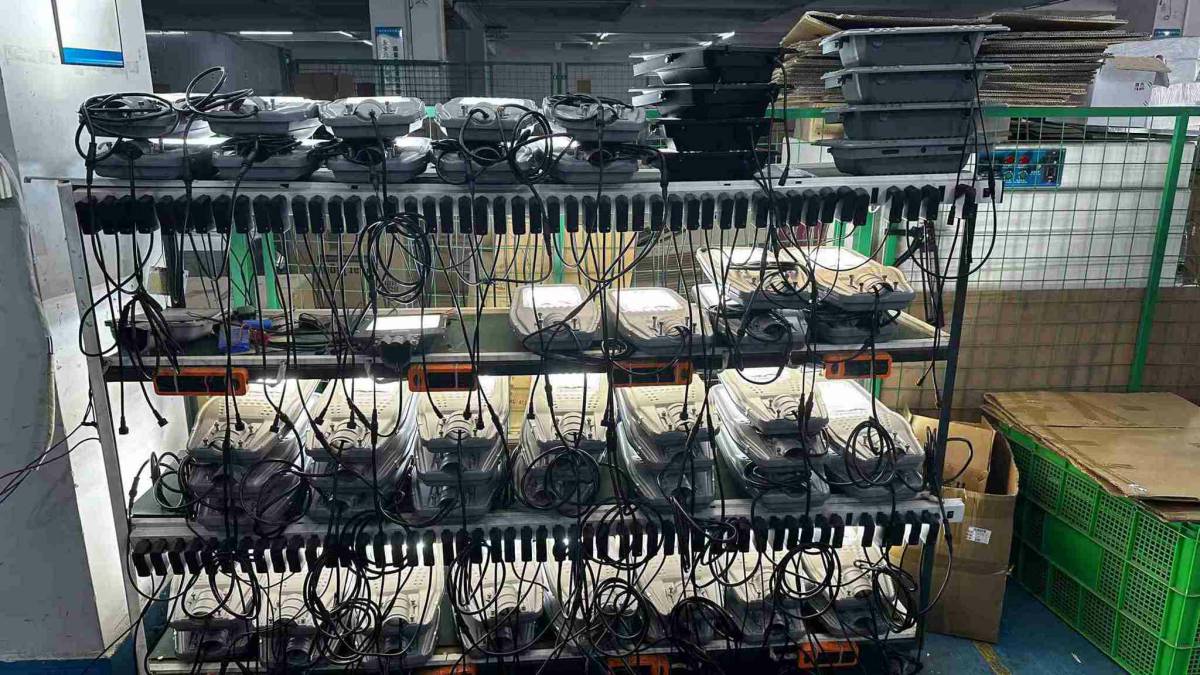
As a leading Solar Street Lighting Factory based in Ningbo, China, we have analyzed the Nigerian market's specific environmental needs: high temperature, intense Harmattan dust, and high humidity in coastal Lagos. Our solutions are engineered to bridge the gap between "standard manufacturing" and "field-tested durability."
Years Experience
Units Shipped to Africa
Protection Grade
Next-Gen Batteries
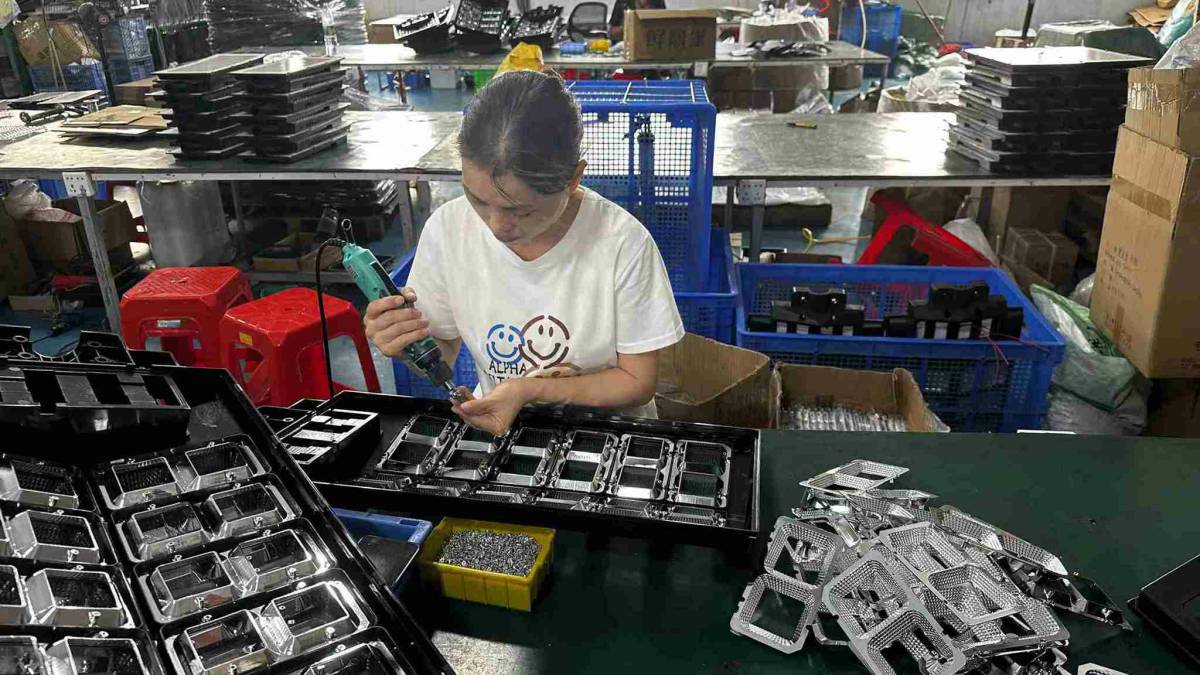
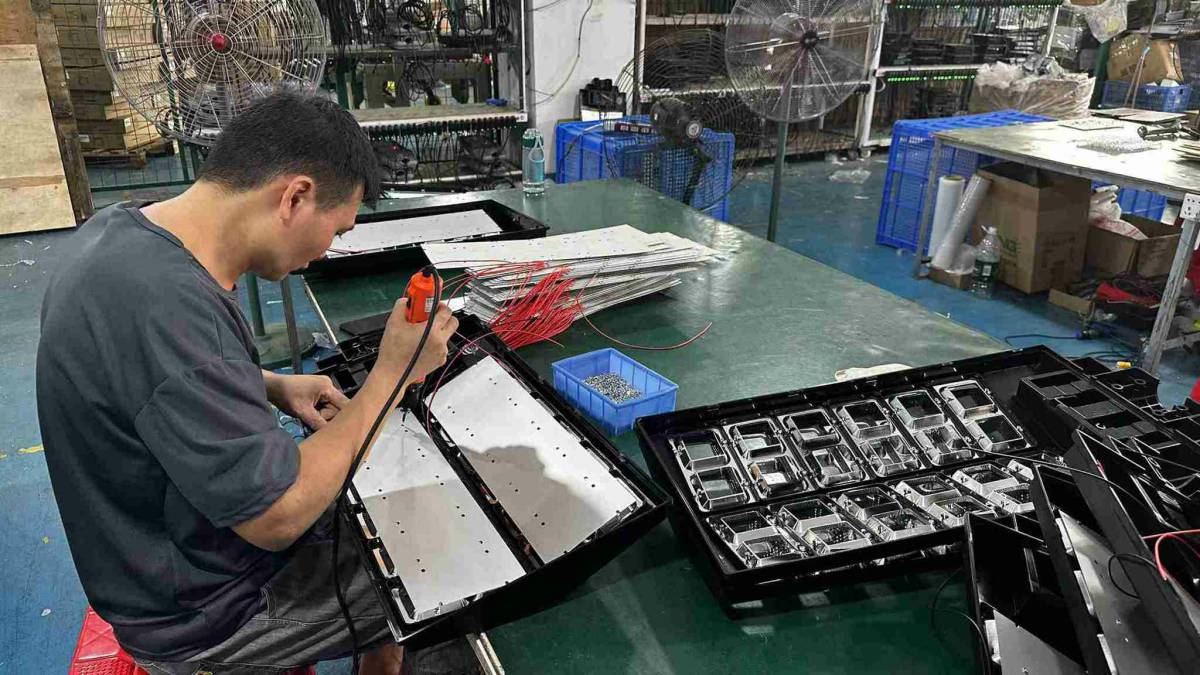
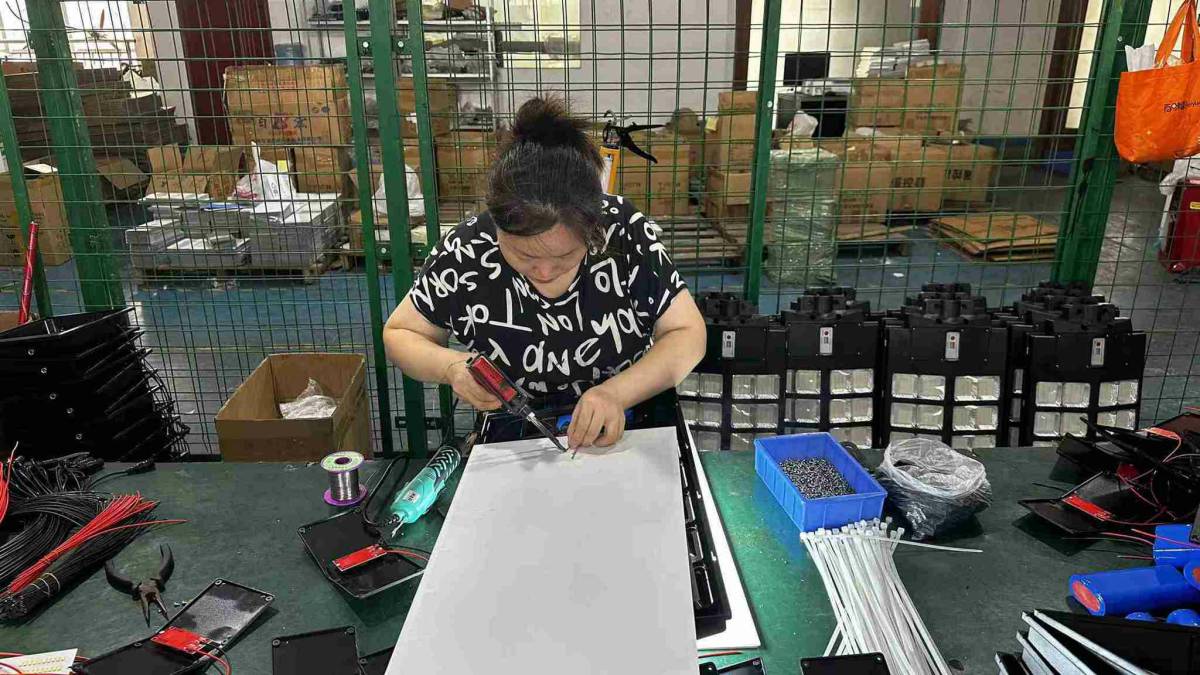
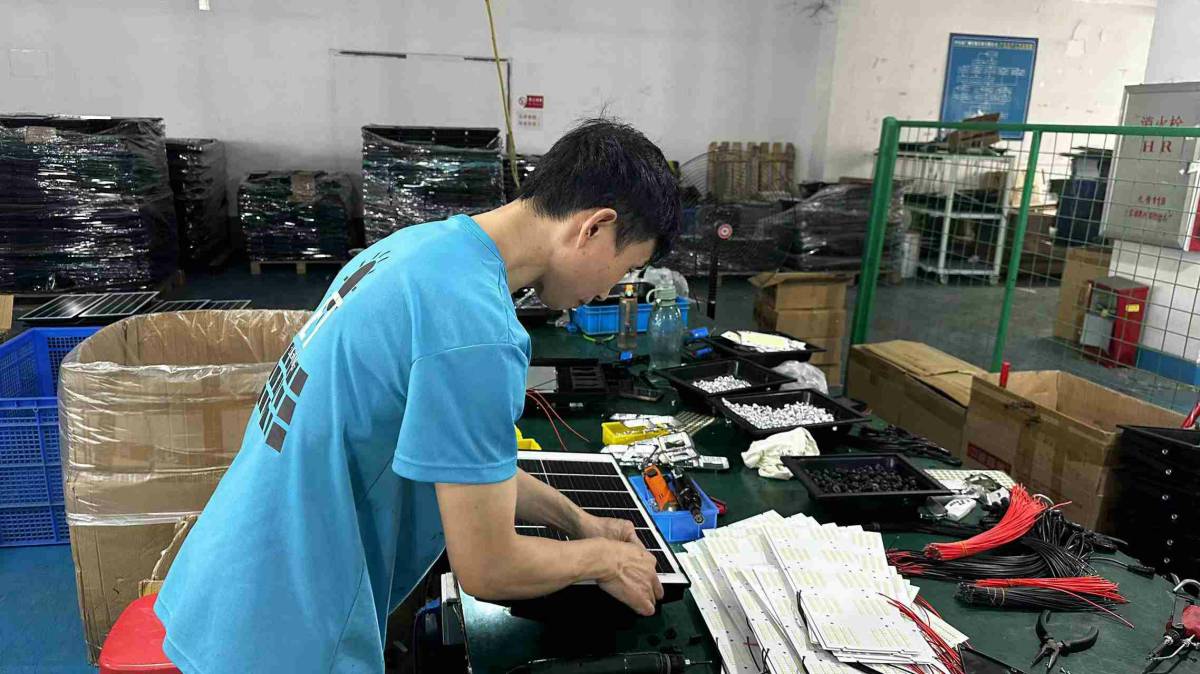
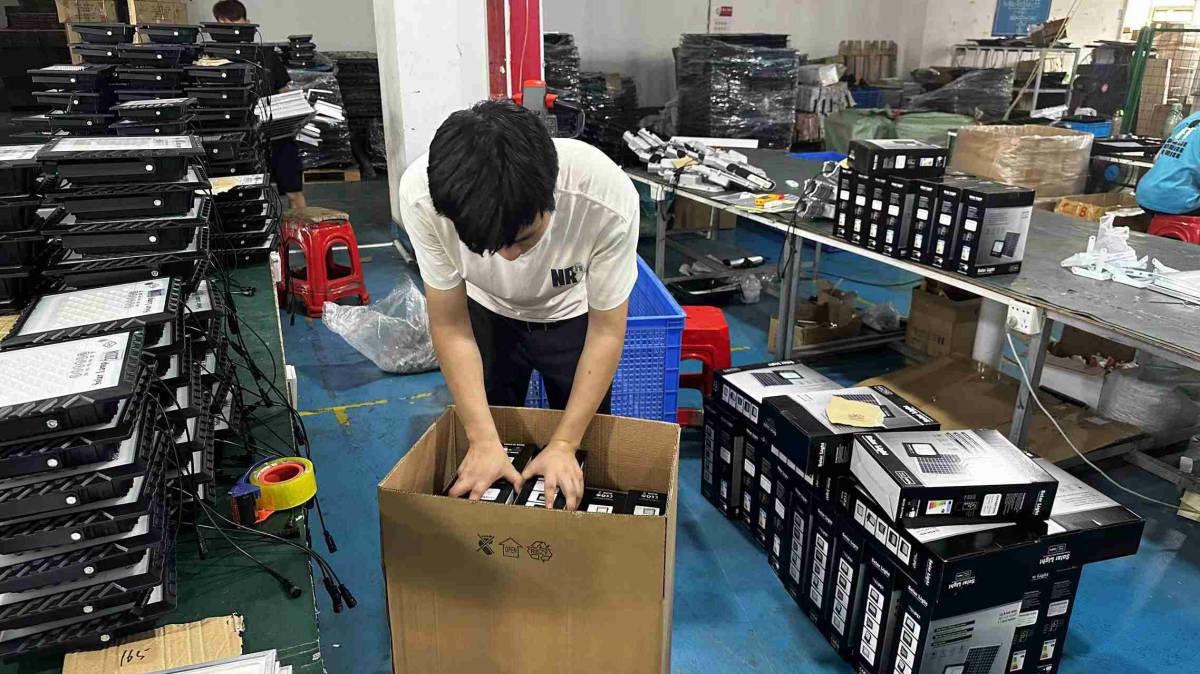
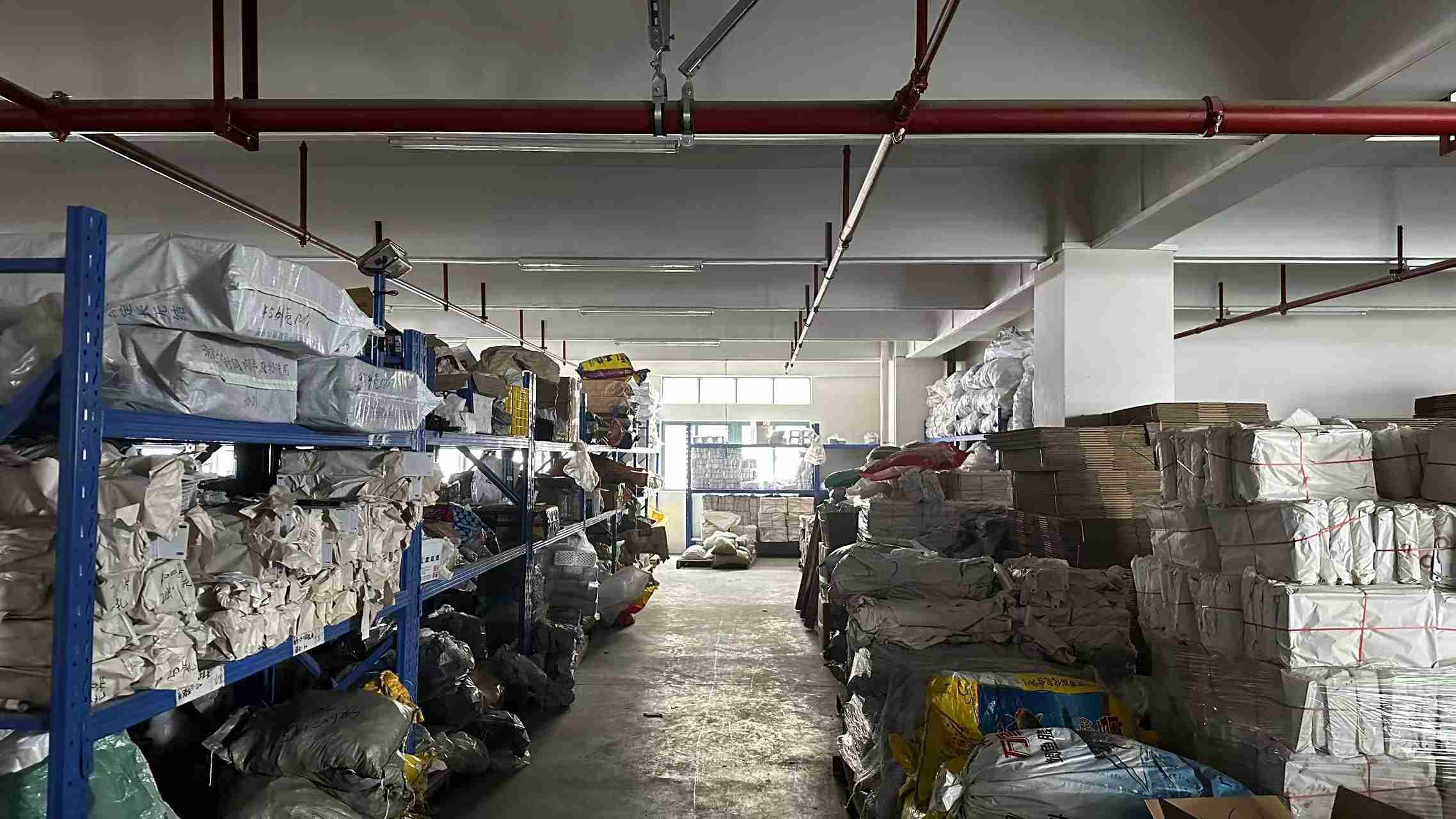
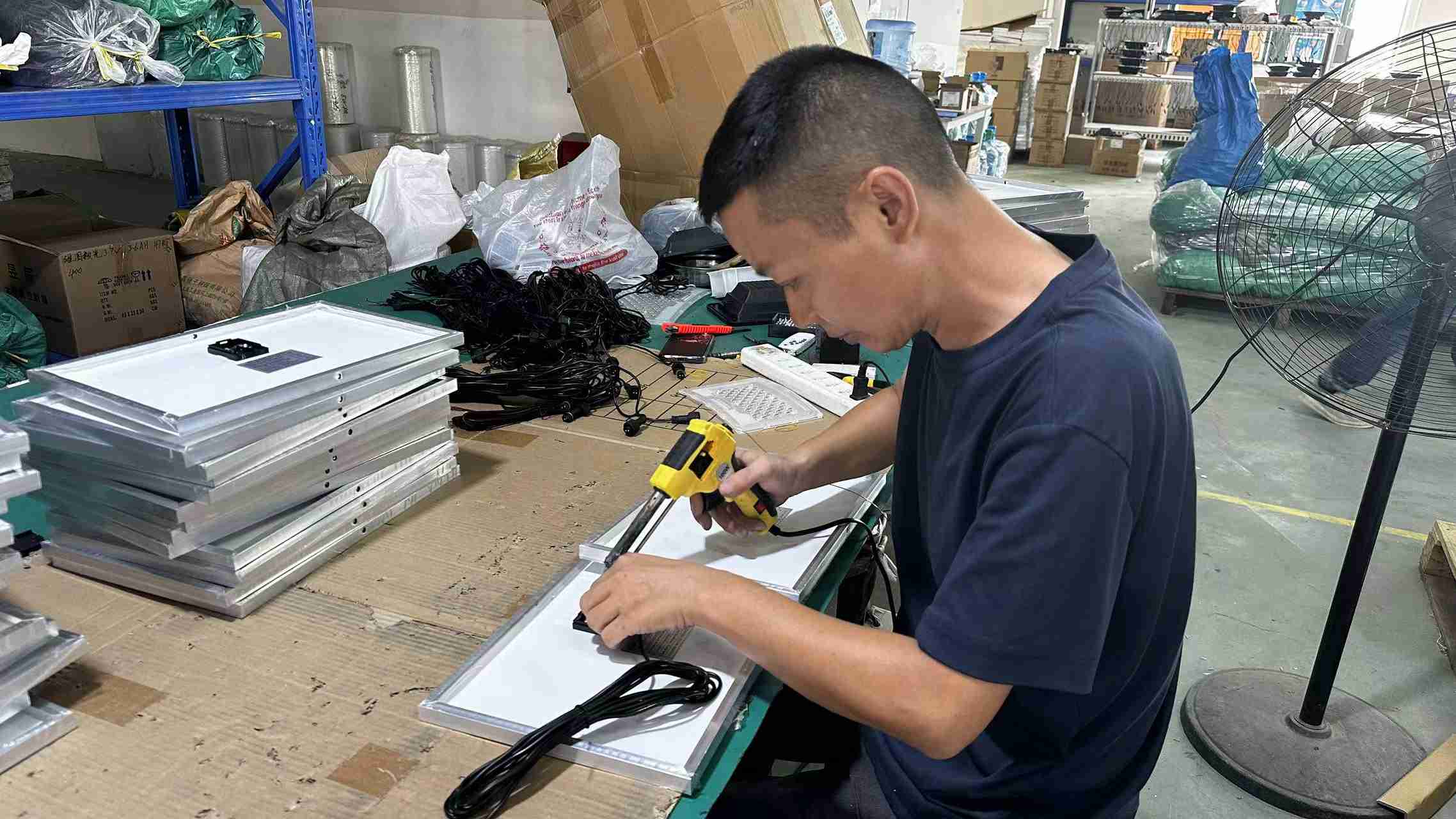
Located in the Ningbo lighting cluster, we provide cost-efficiency that local Nigerian assemblers cannot match. From raw die-cast aluminum to high-efficiency monocrystalline silicon, we control the entire vertical.
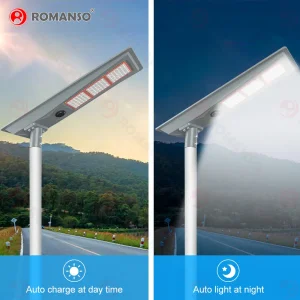
Our "Nigeria-Spec" lights feature enhanced heat dissipation fins and PWM/MPPT controllers optimized for the tropical solar irradiance profile of Sub-Saharan Africa.
We don’t just sell products; we provide lighting simulations (Dialux) for Nigerian urban planners to ensure the correct LUX levels for safety and security.
Founded in 2004, Ningbo Cappy Light Co., Ltd. has grown from a visionary start-up into a global leader in outdoor and solar lighting solutions. For over two decades, we have remained committed to a single mission: delivering sustainable lighting that combines cutting-edge technology with environmental responsibility. Our products illuminate spaces around the world while protecting the planet.
With a diverse portfolio of over 200 products, we position ourselves as trendsetters rather than followers, continually pushing the boundaries of outdoor lighting design and functionality.
Our products exceed rigorous 300-hour salt spray thresholds, ensuring exceptional longevity in coastal, high-humidity, and other demanding environments.
Our latest designs incorporate intelligent control systems, energy-saving sensors, and IoT-enabled solutions for adaptive, efficient lighting.
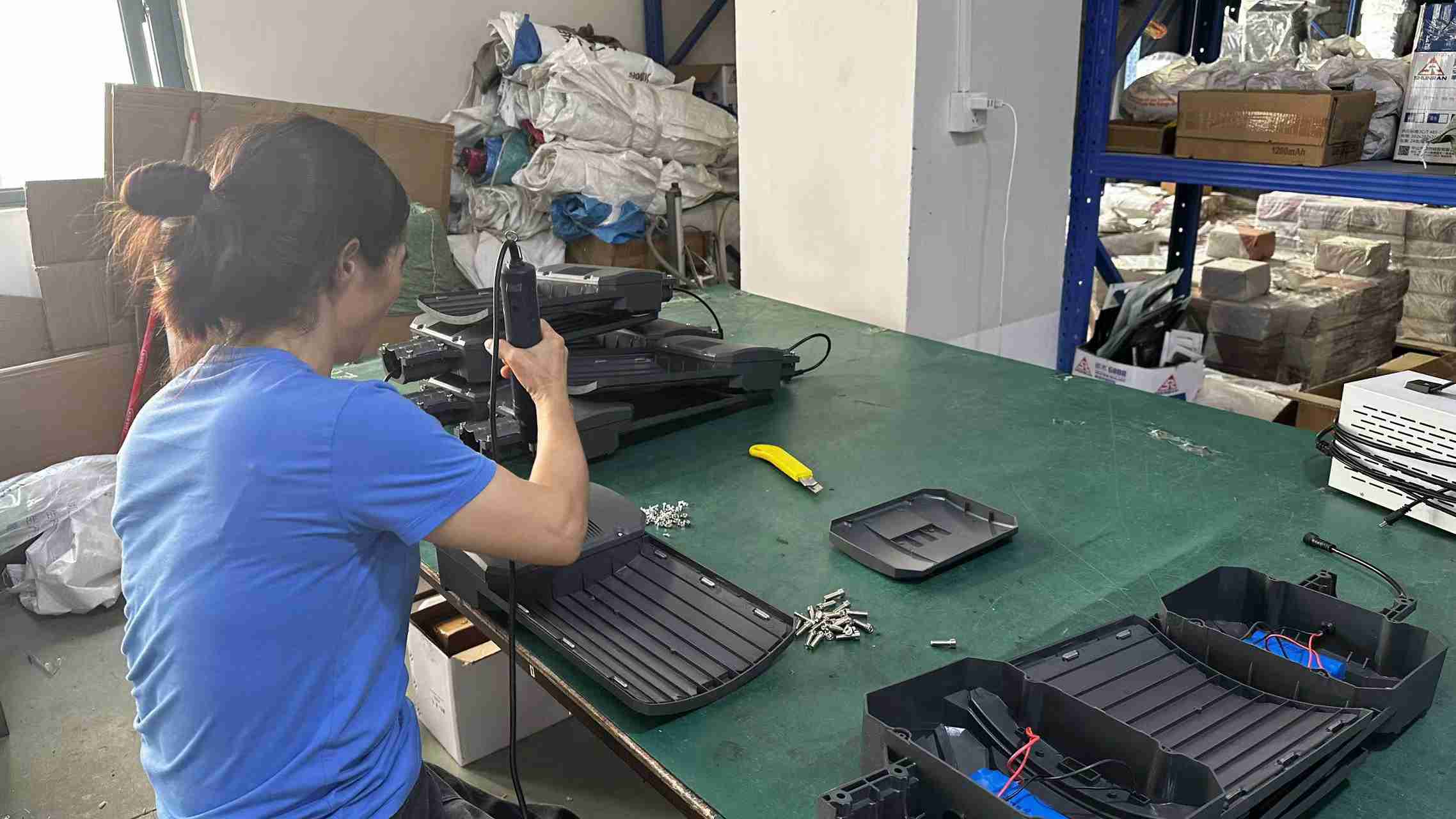
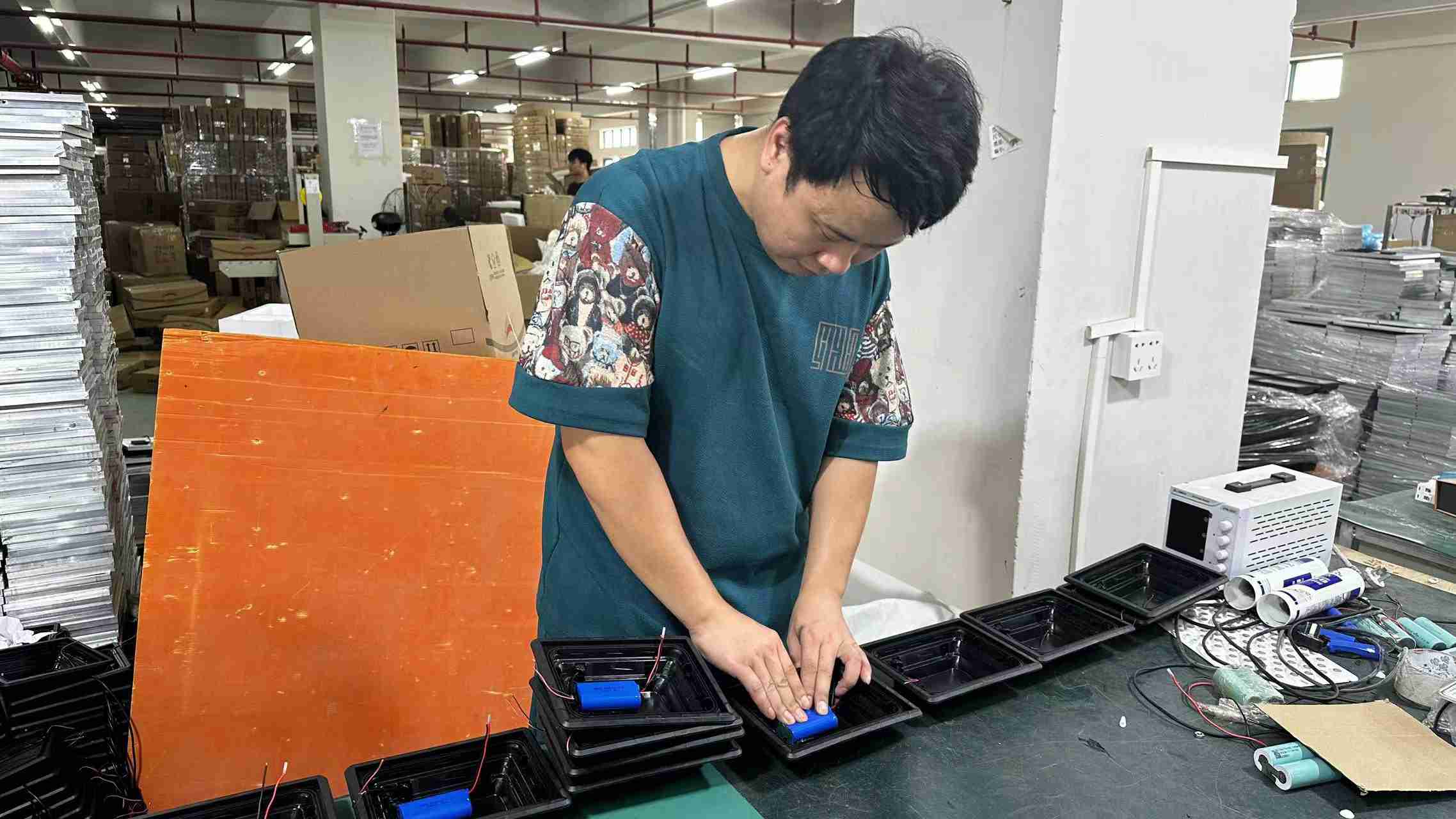
Lithium Transition: The Nigerian market is rapidly moving away from bulky Lead-Acid batteries to LiFePO4 (Lithium Iron Phosphate). These offer 10x the cycle life and can withstand the 40°C+ ambient temperatures common in Maiduguri without significant degradation.
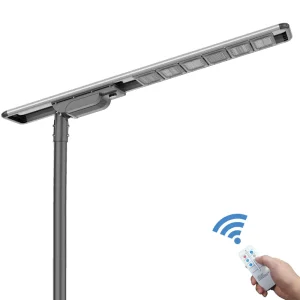
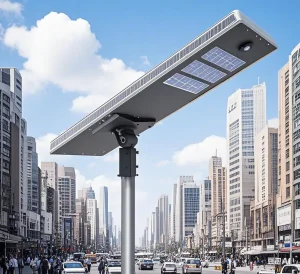
IoT and Smart Cities: Urban centers like Lagos are looking for "Smart Pole" solutions. Our factory integrates LoRa/NB-IoT controllers that allow municipal authorities to dim lights remotely, monitor battery health, and receive maintenance alerts, reducing O&M costs by 40%.
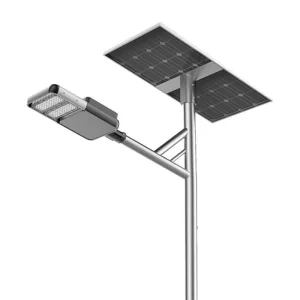
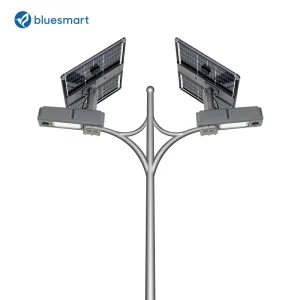
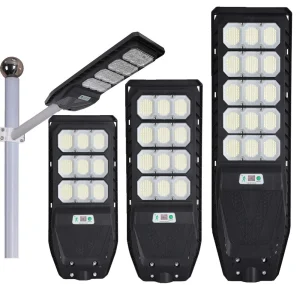
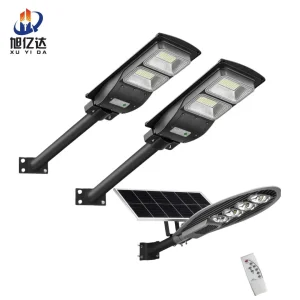
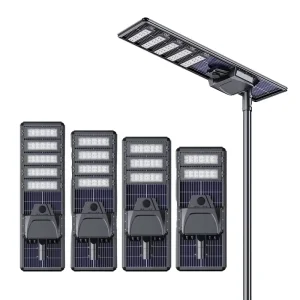
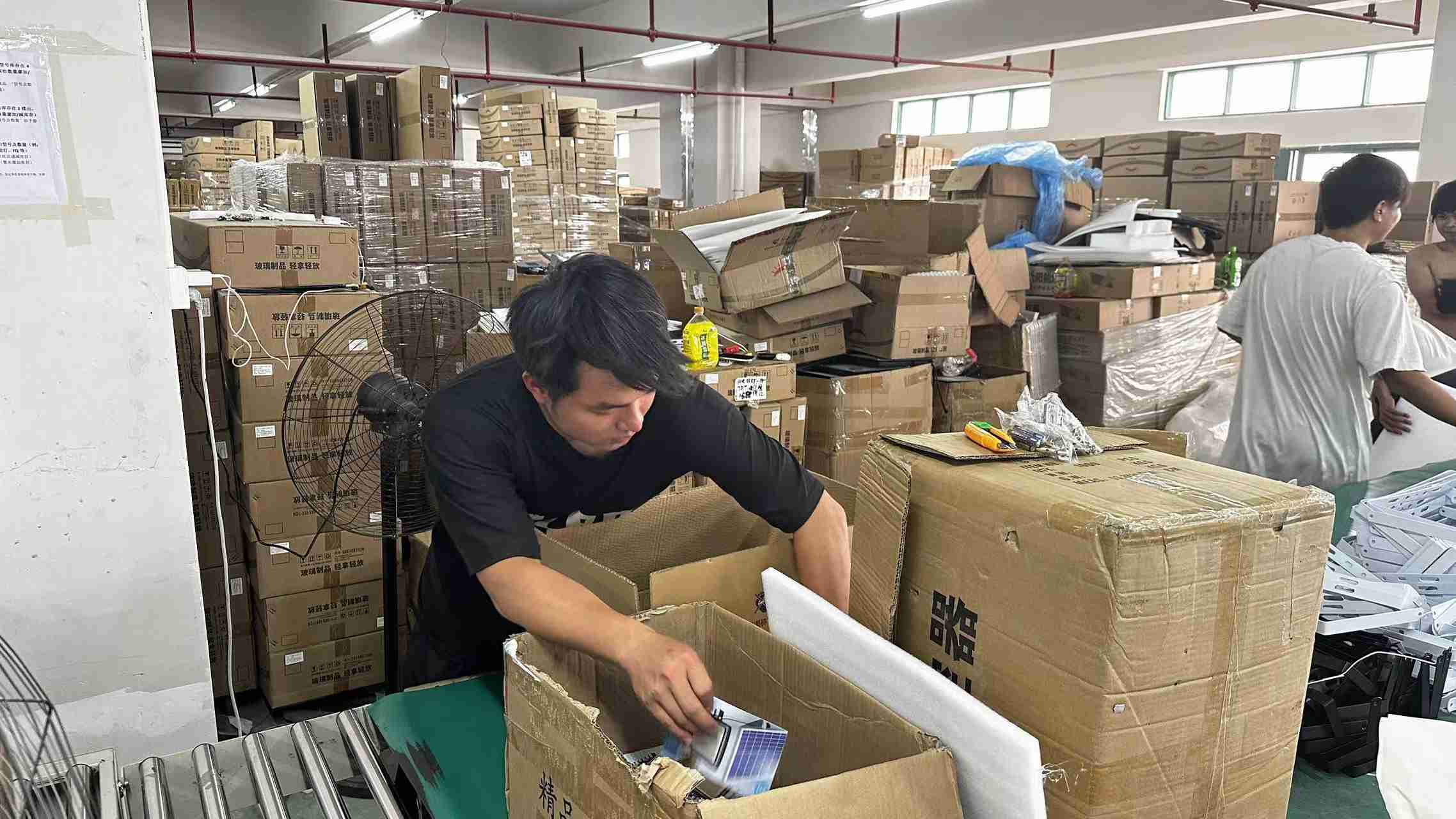
Modular Design: Logistics to Nigeria can be challenging. We have developed modular "All-in-Two" systems that separate the panel and lamp for easier shipping but maintain the "plug-and-play" installation simplicity required by local contractors.
Sustainable Procurement: Global firms operating in Nigeria are now mandated to follow ESG guidelines. Our factory's commitment to recyclable aluminum and ISO 14001 environmental standards aligns with international corporate requirements.
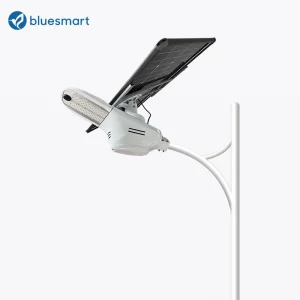
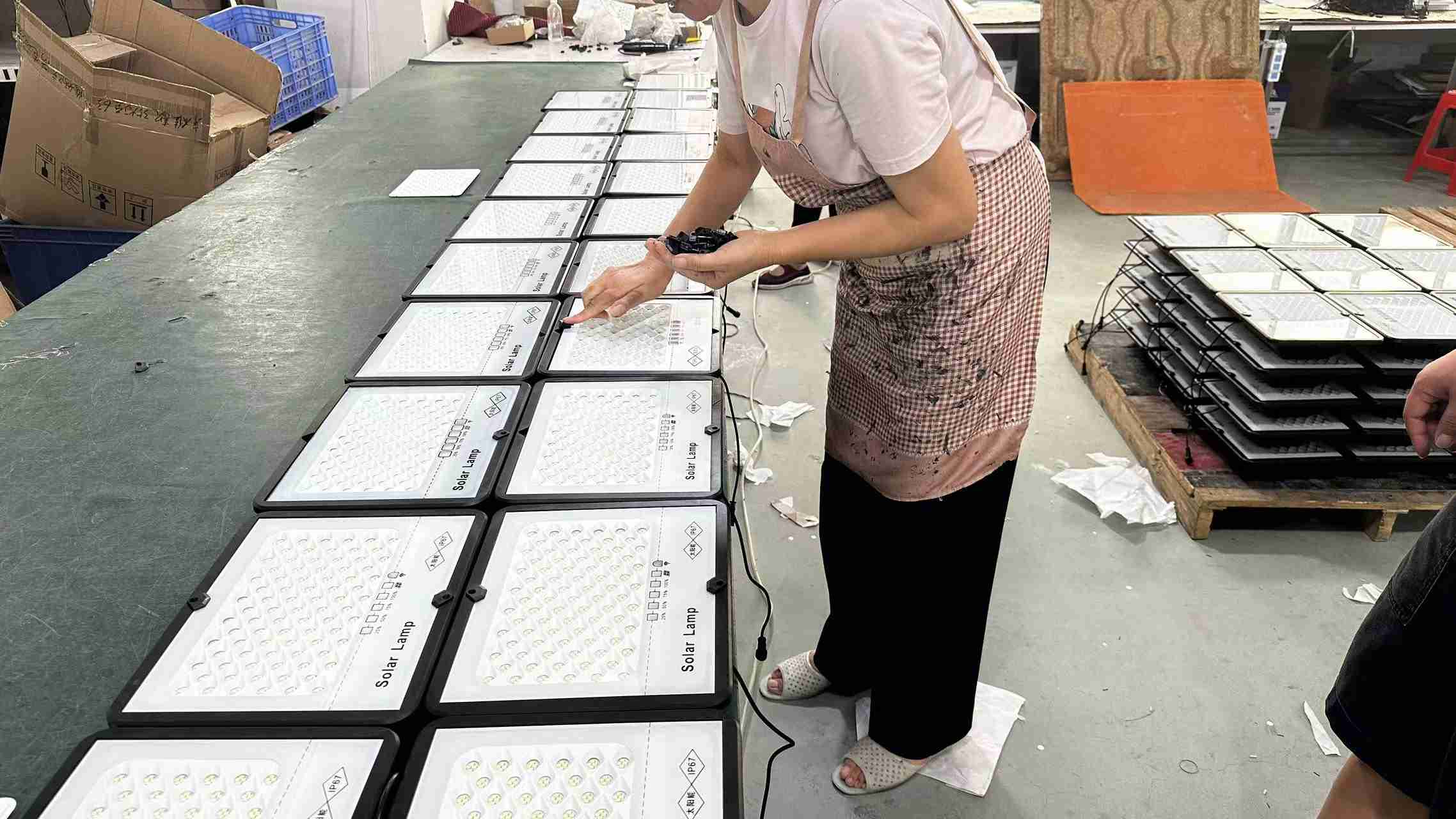
Our solar panels feature a self-cleaning angle design (usually 15-25 degrees) which allows dust to wash off during occasional rains. Furthermore, our LEDs are IP67-sealed to prevent fine dust ingress during the dry season.
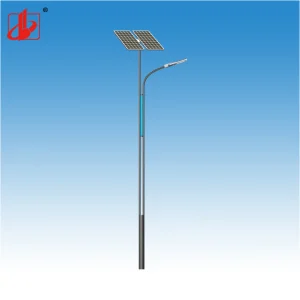
Yes. We provide hot-dip galvanized poles (up to 12 meters) that are treated with anti-corrosive coatings, essential for humid regions like the Niger Delta and coastal Lagos.
Compared to diesel-powered lighting, solar street lights typically pay for themselves within 18-24 months in Nigeria, considering the rising cost of fuel and the zero-maintenance nature of our LED systems.
Absolutely. We have 20 years of experience in bidding support. We can provide IES files, technical data sheets, and certification (CE, RoHS, IP66) required for REA (Rural Electrification Agency) or federal road projects.
 Cappy Light