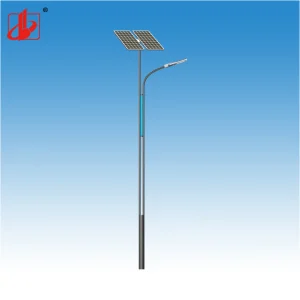
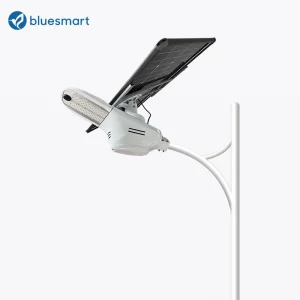
Deploying advanced, off-grid luminaires engineered to optimize photovoltaic capture and deliver high lumen output across the Brisbane metropolitan and coastal regions.
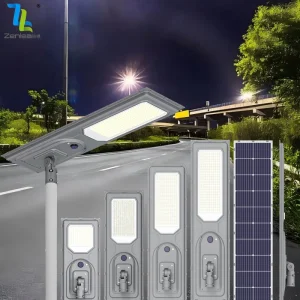
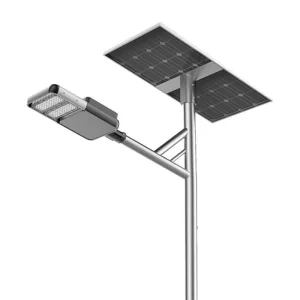
The Brisbane metropolitan area, alongside Southeast Queensland (SEQ), is experiencing an unprecedented structural expansion in commercial logistics parks, industrial hubs, and smart municipal zones. Driven by Queensland's aggressive target of 70% renewable energy by 2032 and the infrastructure runway for the Brisbane 2032 Olympic Games, urban planners and private developers are rapidly shifting from grid-tied public lighting to autonomous solar luminaires.
Brisbane's geographical location presents a unique environmental profile for outdoor electrical systems. Characterized by high solar irradiance averages (approx. 5.2 peak sun hours per day), the region also experiences severe storm cells, high UV indexes, and localized coastal atmospheric salinity extending from Moreton Bay inland to industrial centers in Pinkenba, Yatala, and Wacol. Traditional street lights are vulnerable to premature degradation, requiring highly specialized engineering architectures to handle thermal mitigation, high wind loads (up to Region C cyclonic parameters), and long-term electrochemical corrosion resistance.
Establishing traditional grid-tied wiring along rural arterials, public green spaces, and massive logistics terminals often involves intensive trenching, high copper cable costs, and long delays in grid approvals. Modern integrated solar street lighting bypasses these barriers entirely, yielding up to 60% reduction in upfront project installation costs while securing zero carbon emissions during operation.
Founded in 2004, Ningbo Cappy Light Co., Ltd. delivers engineered reliability to global export markets.
For more than 20 years, Ningbo Cappy Light Co., Ltd. has evolved from a specialized engineering workshop into an international manufacturer of industrial-grade outdoor and solar street lighting solutions. Operating with a core ethos of scientific innovation, technical transparency, and rigorous material quality controls, we supply contractors, municipal buyers, and international importers with robust solar arrays built for demanding global environments.
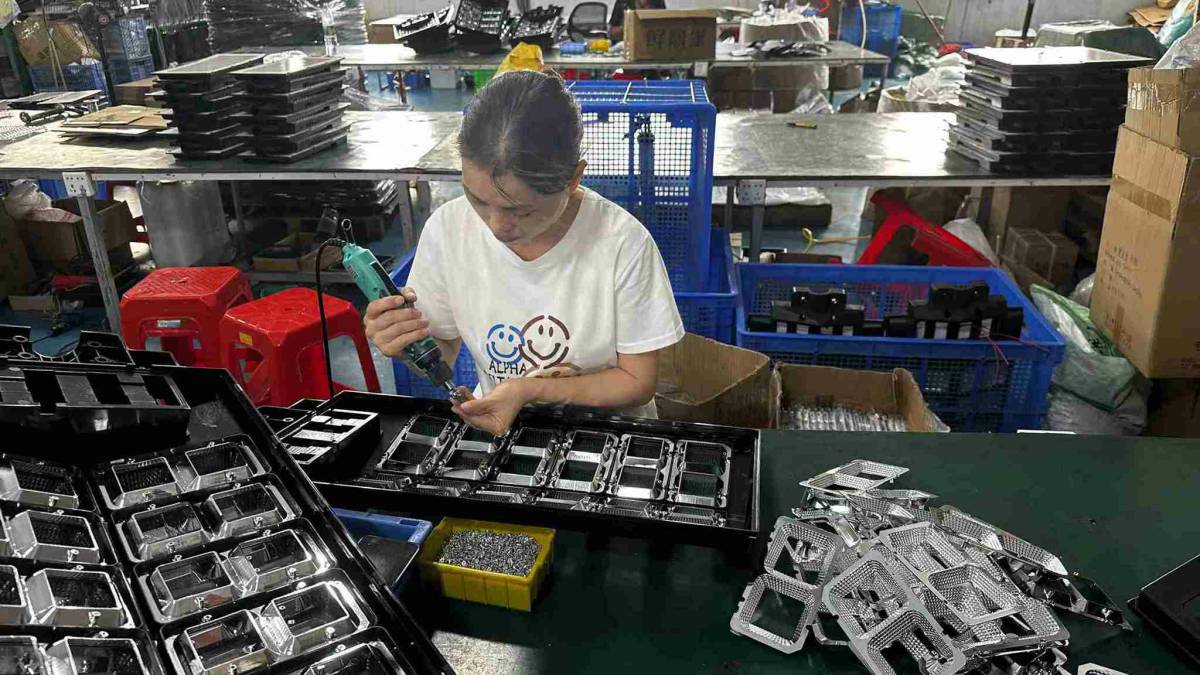
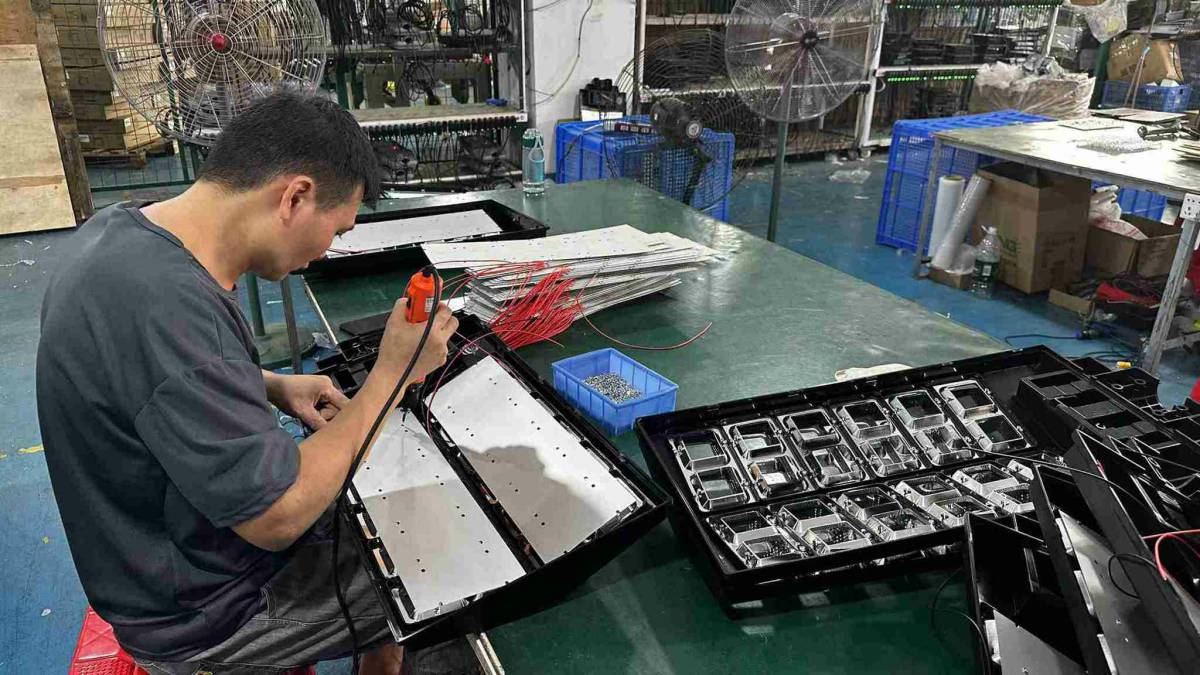
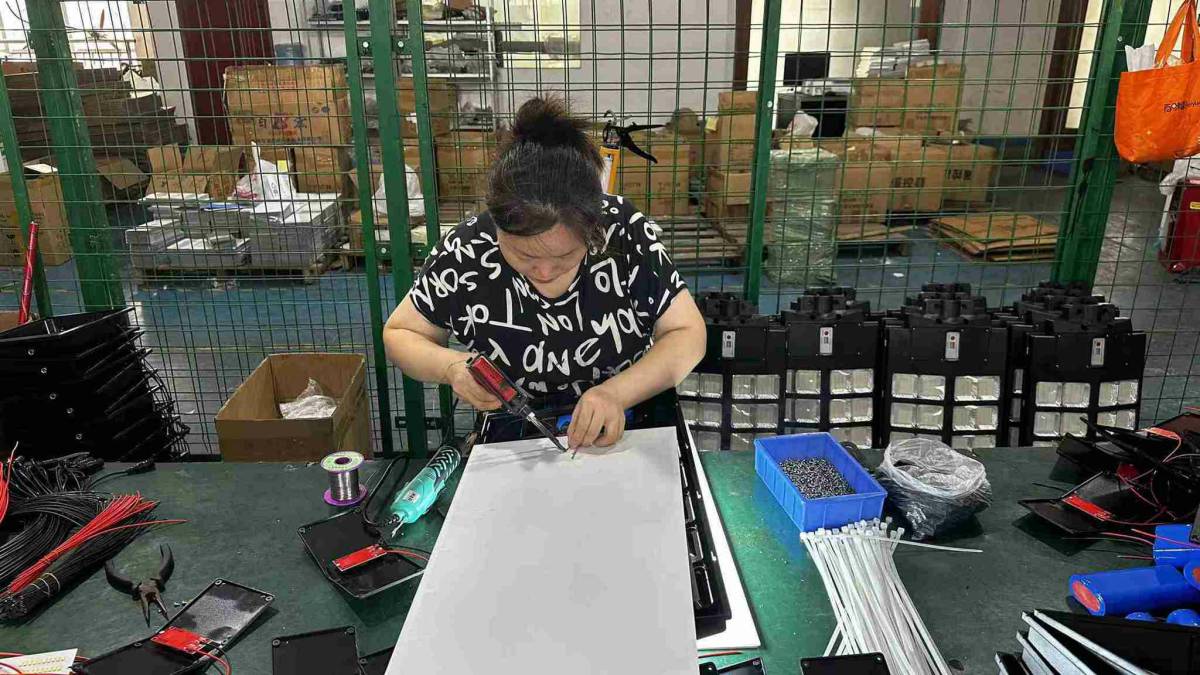
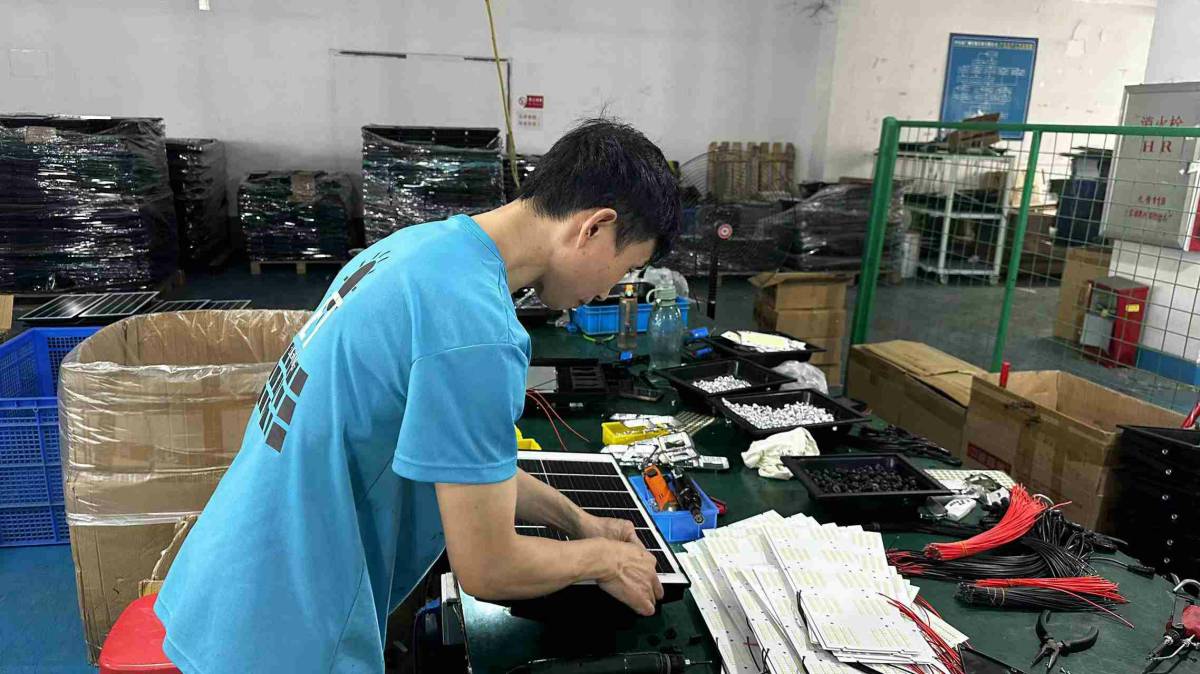
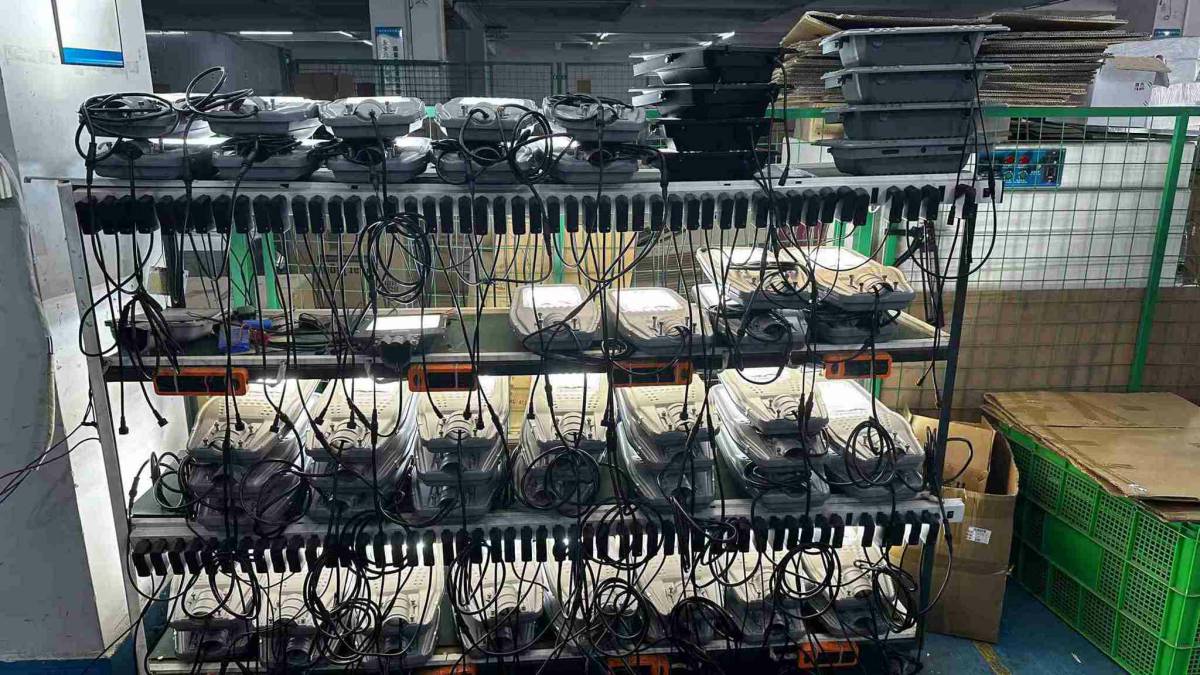
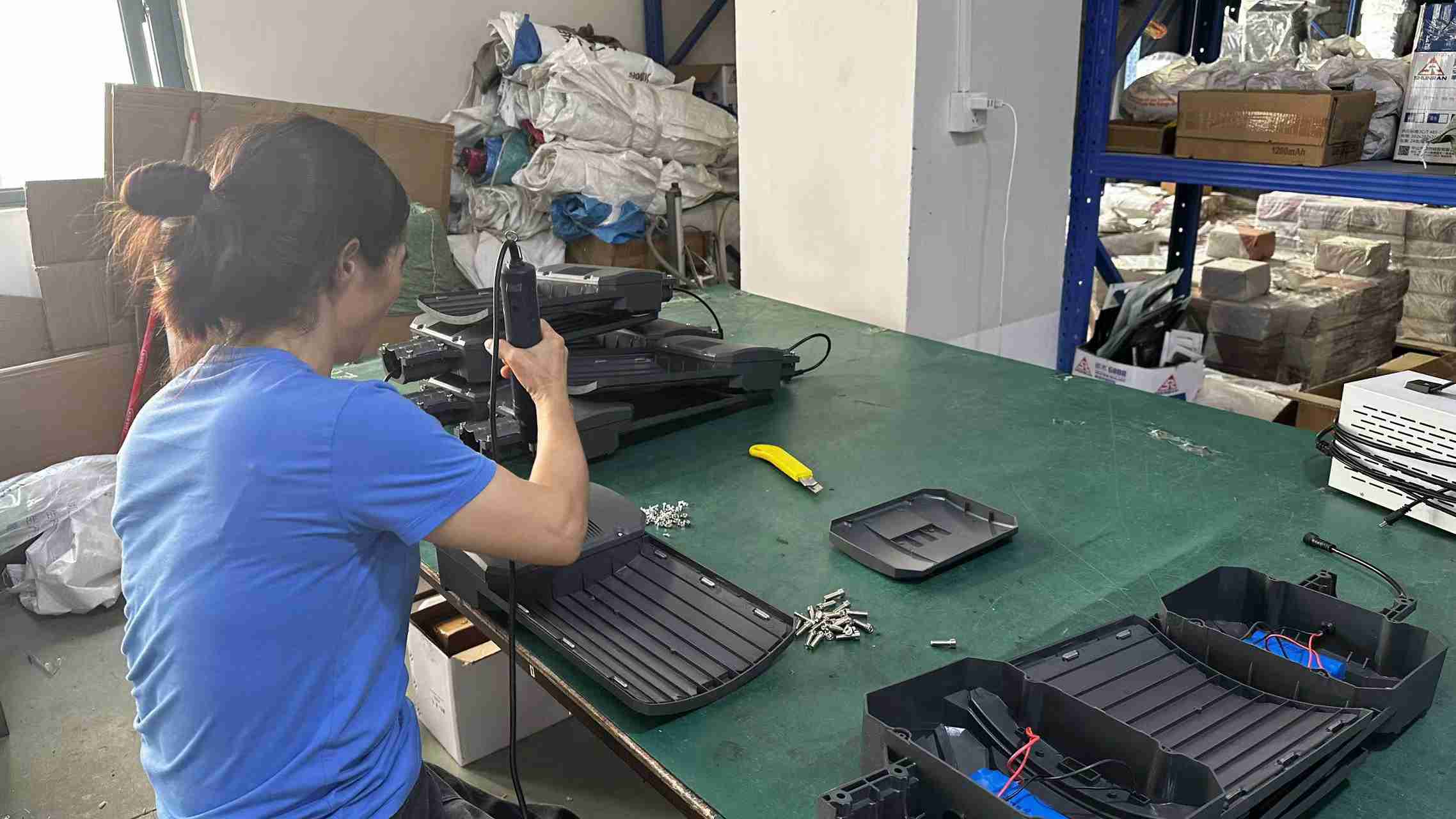
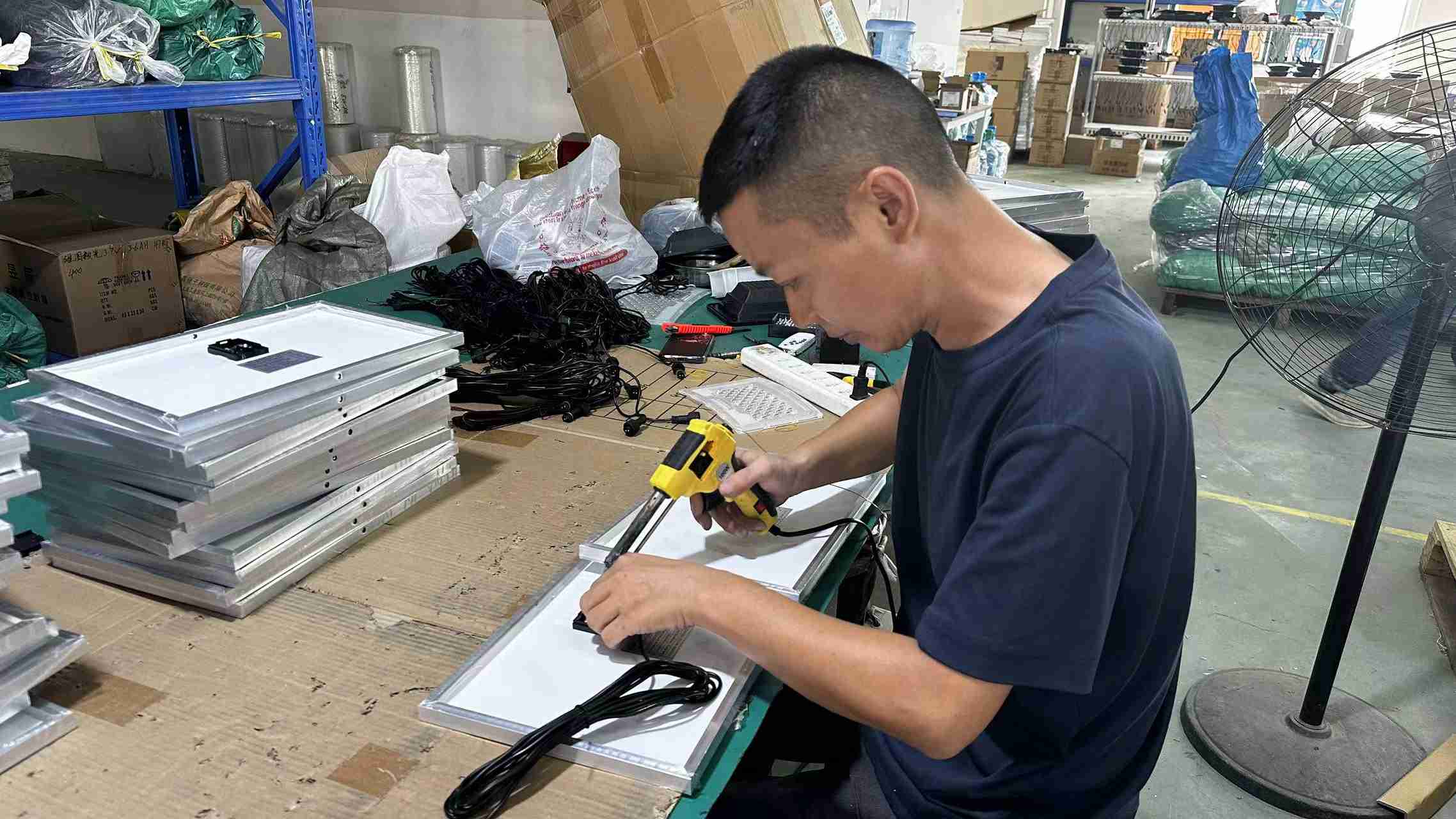
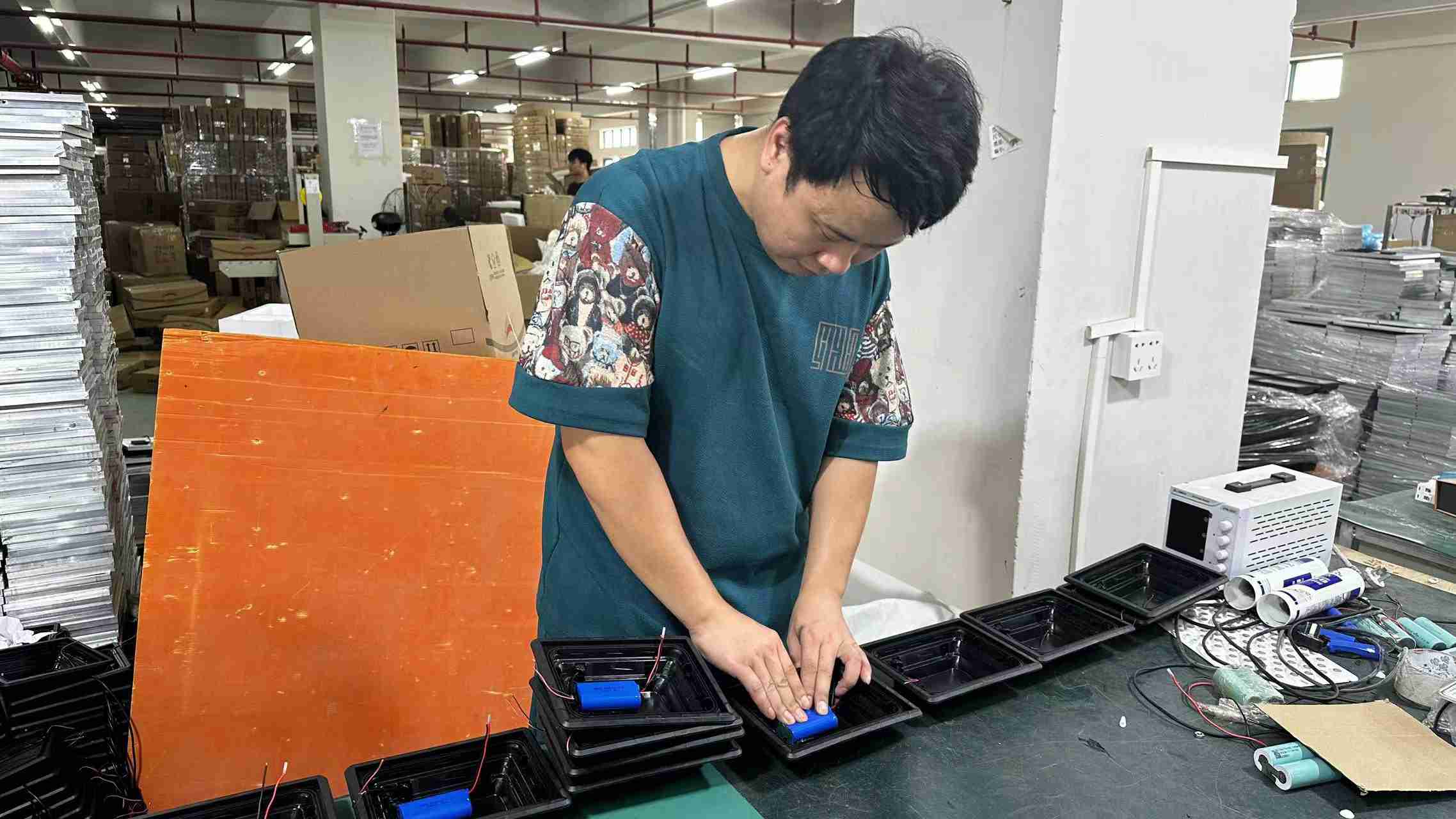
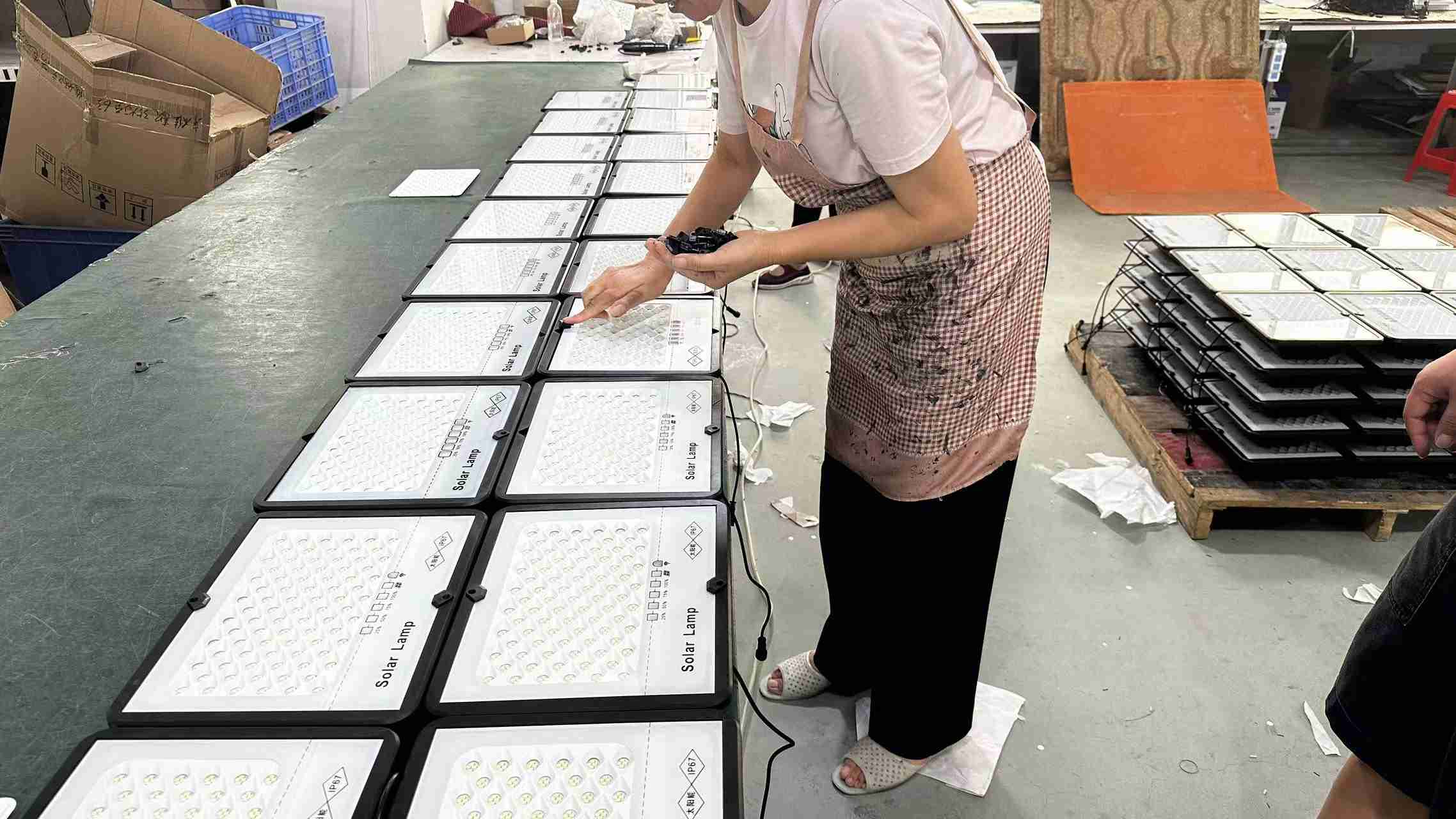
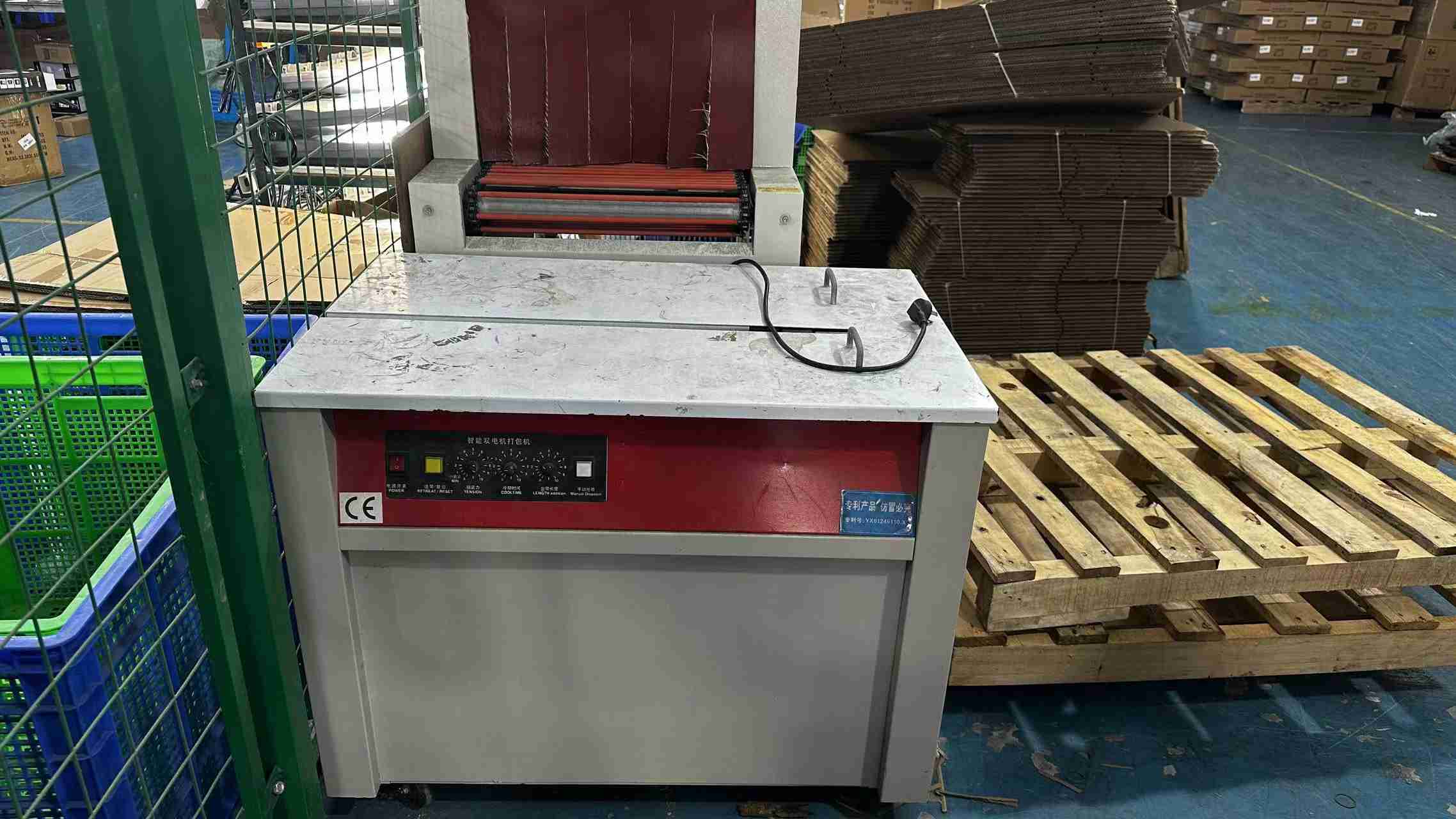
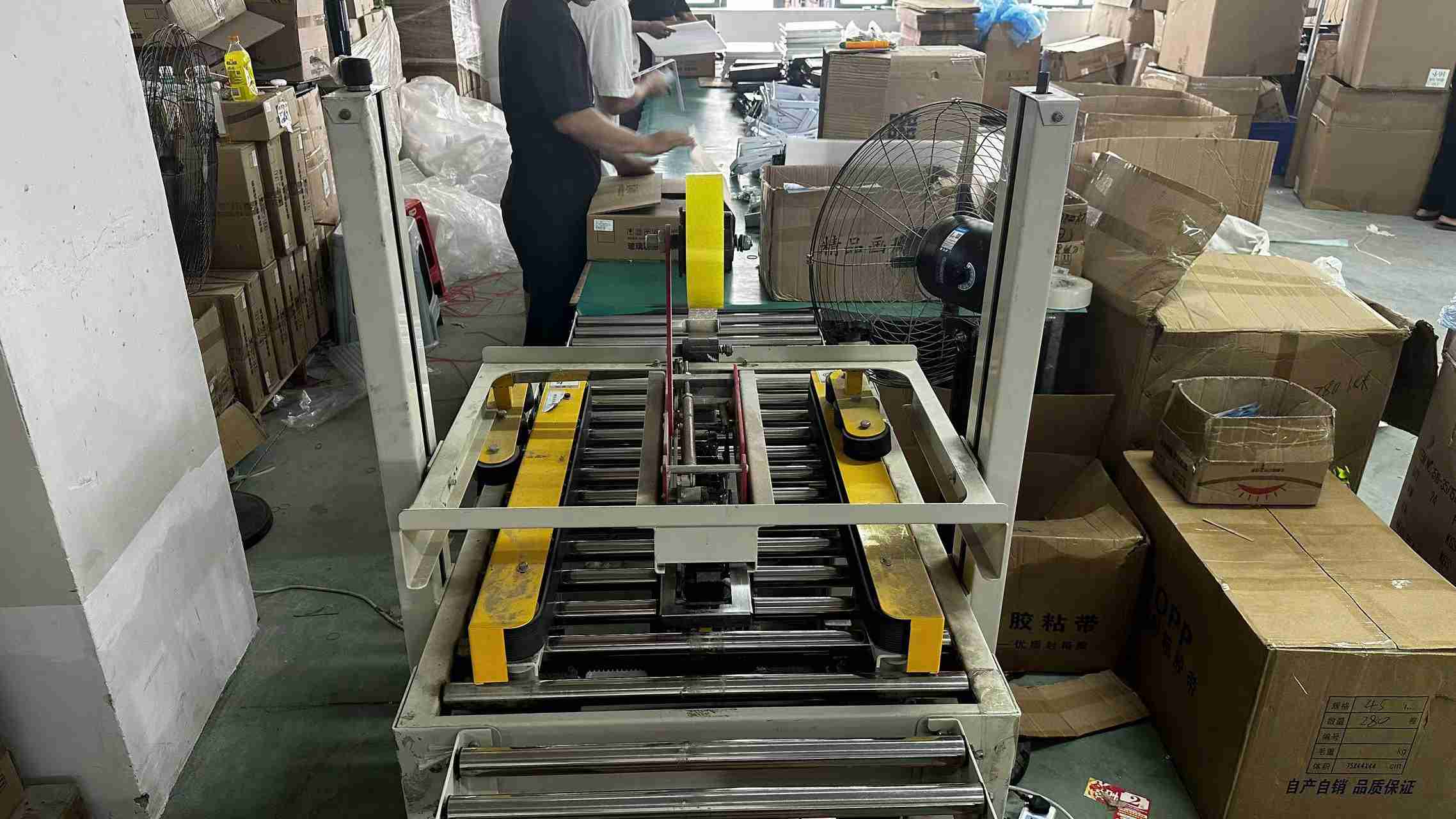
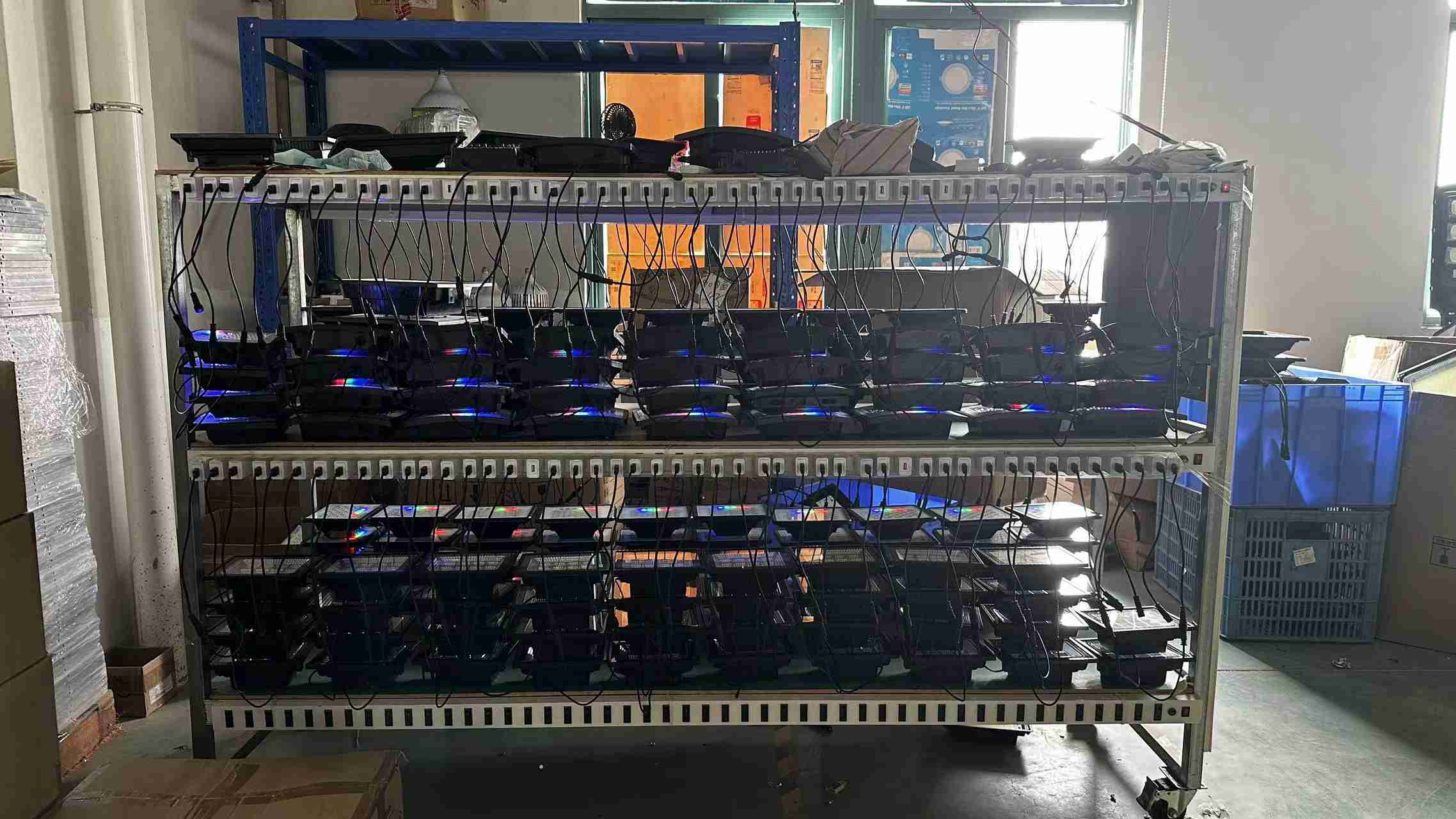
Our operational capabilities are built around our clean-room battery assembly, precise high-speed soldering, structural stress testing, and real-time luminous flux measurement. Rather than operating as simple assemblers, we own our core product designs and manufacture them under strict QA protocols designed to meet Australian and global compliance standards.
With an expansive portfolio spanning more than 200 certified lighting configurations, we maintain our market position by continuously updating optical and mechanical systems to stay ahead of global standards.
Our engineering division excels in hybrid system integration, matching solar PV with low-voltage (12V) and high-voltage grid backups to guarantee continuous operation in all environments.
Built for harsh environments, our luminaire housings undergo 300+ hour continuous salt spray testing to verify corrosion immunity in coastal zones like Brisbane's bay areas.
Years of Engineering Excellence
Global Industrial Lighting Designs
Salt Spray Corrosion Testing
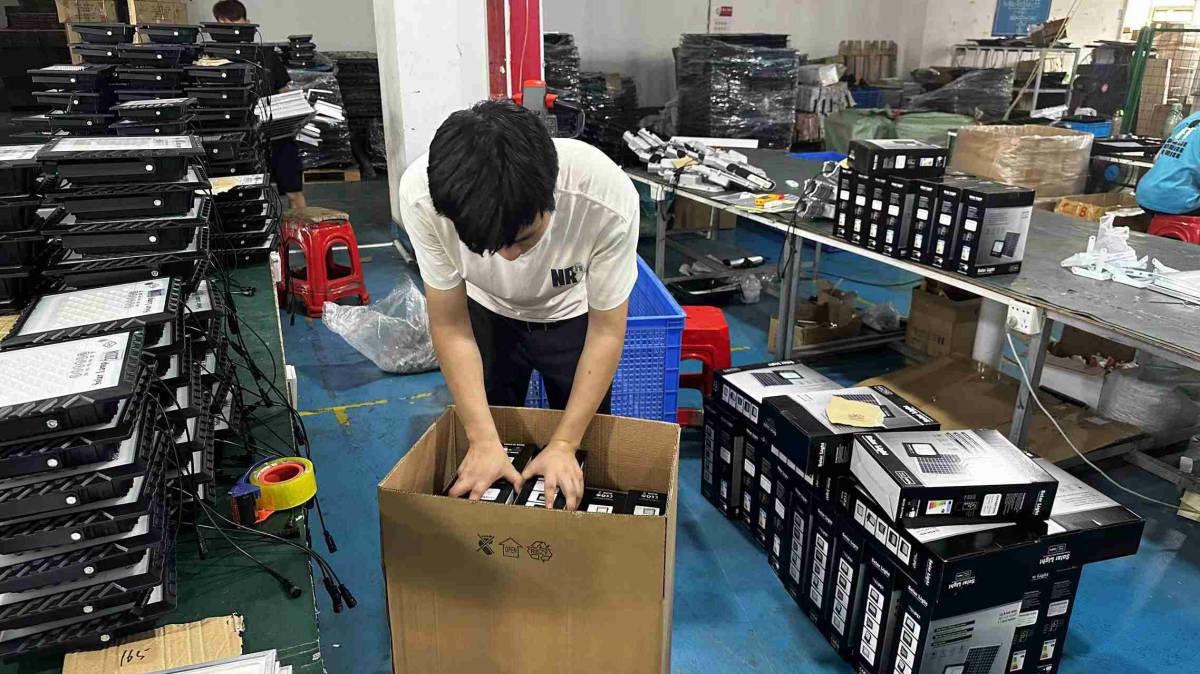
Quality Controlled In-House Assembly
Next-generation engineering features designed to maximize system longevity and luminous efficiency.
Modern solar street lights require careful engineering to match energy generation with battery capacity and LED consumption. To ensure reliable performance under fluctuating solar radiation, our product roadmap relies on five key design principles:
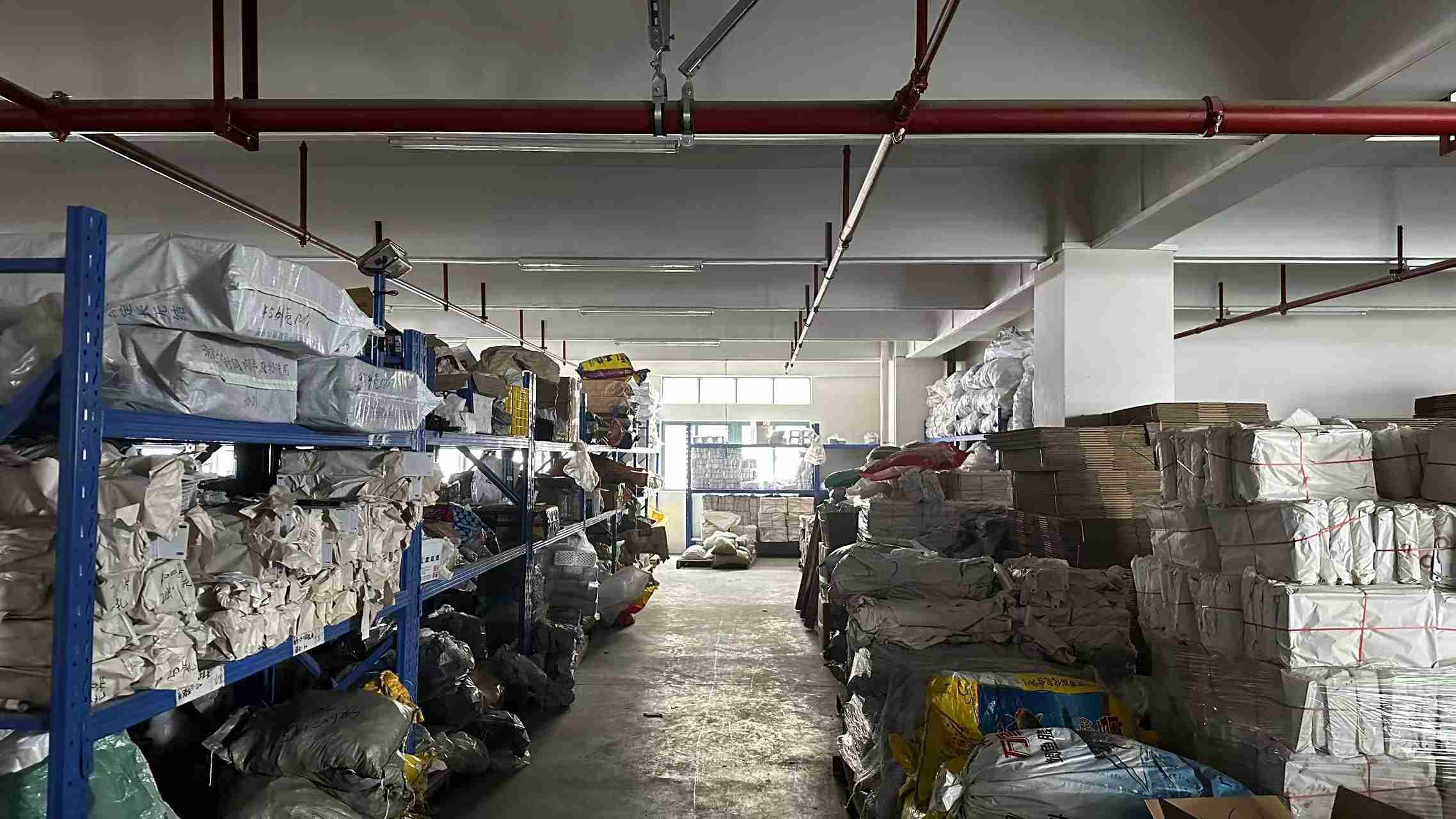
Ningbo is a major global hub for electronics manufacturing, metal processing, and maritime logistics. As an established exporter operating out of this region, Ningbo Cappy Light Co., Ltd. benefits from a highly integrated local component supply chain. Our direct access to raw raw materials, processing plants, and the deepwater Port of Ningbo-Zhoushan allows us to maintain consistent manufacturing cycles, stable pricing, and fast export logistics to Australia and other international markets.
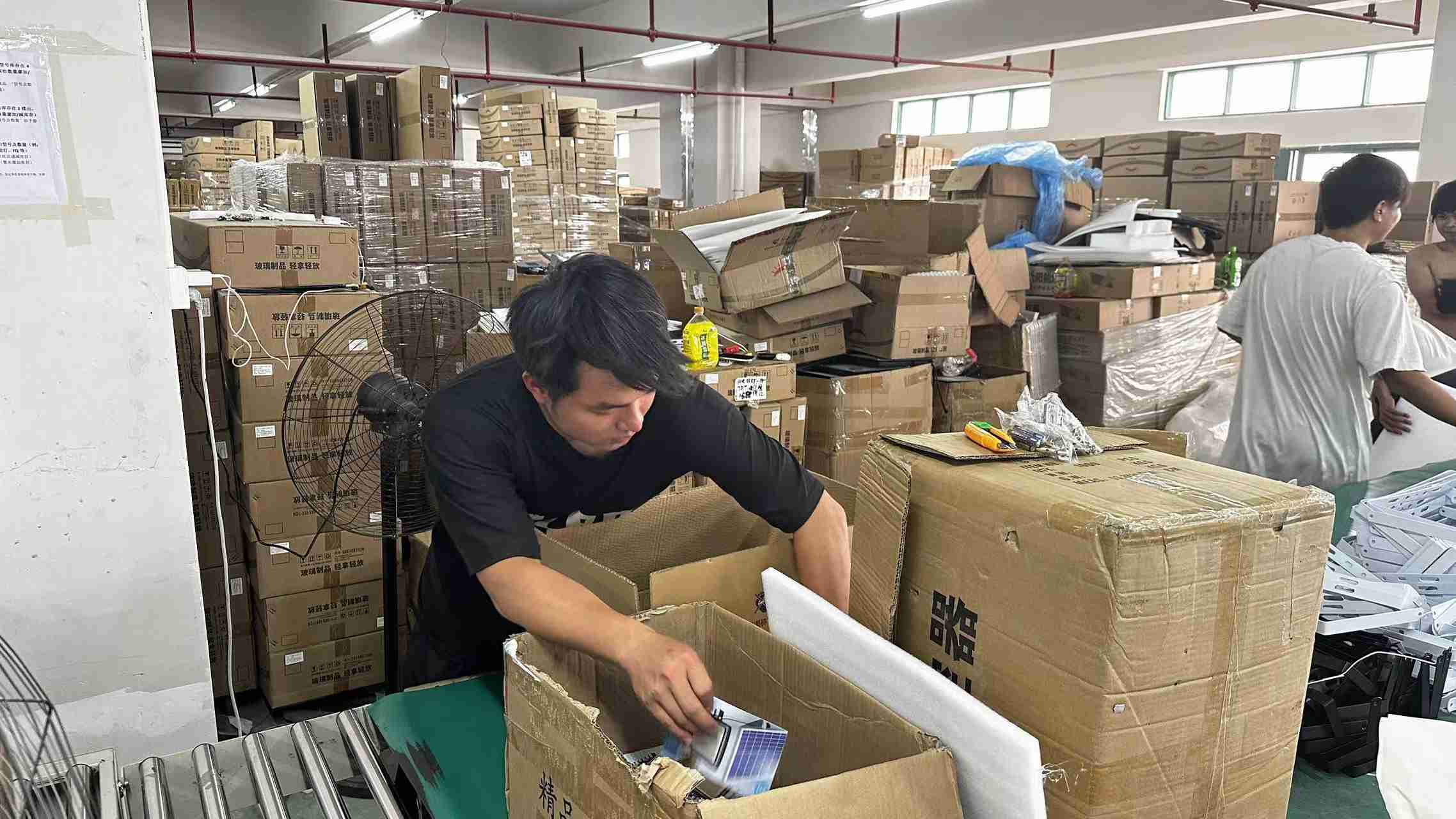
This localized supply chain helps shield our clients from market volatility. We maintain raw material inventories and direct control over our assembly processes, allowing us to manage lead times effectively and keep our production lines moving for large commercial developments and municipal tenders.
We provide full customization options for our global clients. Whether you need custom optical patterns to meet specific lighting regulations, alternative battery capacities to handle extended periods of cloudy weather, or custom mounting brackets for local wind-load standards, our engineering team can adapt our products to your exact requirements.
For solar street lighting projects in Brisbane and Southeast Queensland, meeting Australian standards is essential for project approvals. Our export luminaires are engineered to comply with the relevant regional regulatory frameworks:
Explore our full line of solar street, flood, and path lights engineered for reliable operation in tropical and coastal climates.
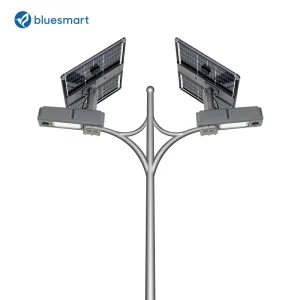
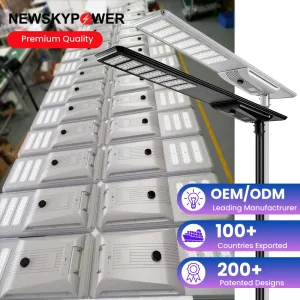
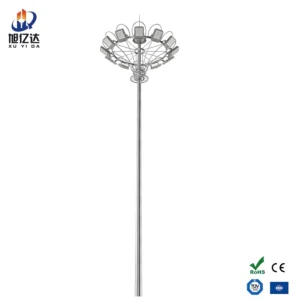
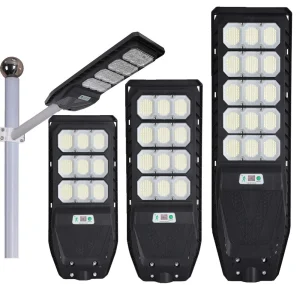
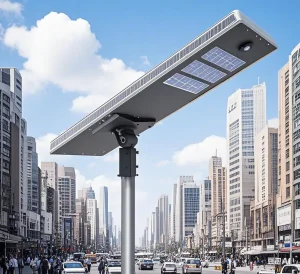
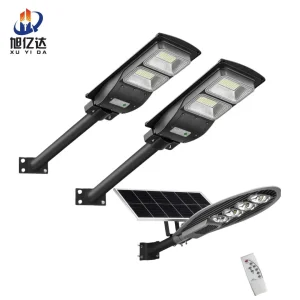
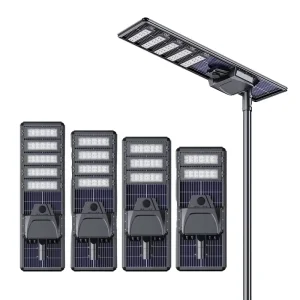
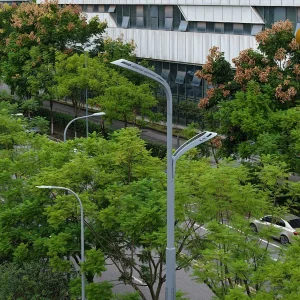
Every stage of production is controlled in our factory to guarantee consistency and build quality.
Answers to common engineering and procurement questions for solar street lighting projects in Southeast Queensland.
Yes. Our luminaires are engineered to match the lighting classes (primarily Category V for roads and Category P for pedestrian pathways and public spaces) specified by AS/NZS 1158. We provide full IES files for photometrical calculations so lighting designers can verify compliance during the project design phase.
Our light housings use marine-grade, high-pressure die-cast aluminum alloys treated with a multi-stage polyester powder coating. They pass a 300-hour continuous salt spray test to ensure they resist the electrochemical corrosion common to coastal environments in Southeast Queensland.
We build our systems using Premium Lithium Iron Phosphate (LiFePO4) battery packs coupled with custom BMS thermal protection. These packs are designed to operate safely in ambient temperatures up to 60°C and maintain over 2,000 charge cycles, providing an operational lifespan of 5 to 8 years before requiring service.
Our standard setups provide 3 to 5 nights of backup power using energy-saving dimming schedules and microwave motion tracking. For high-latitude or high-shade applications, we can customize battery and solar panel capacities to meet specific autonomy requirements.
Manufacturing standard orders typically takes 25 to 30 days. Shipping from the Port of Ningbo to the Port of Brisbane takes approximately 18 to 22 days of transit time, allowing for reliable delivery schedules for major infrastructure projects.
Contact our engineering team to request custom IES file profiles, project-specific quotes, or structural drawings built for Australian standards.
 Cappy Light