Explore our premium selection of outdoor luminaires engineered for structural resilience, superior photometrics, and low-voltage energy integration.
Uncompromising reliability in structural design and smart energy systems since 2004.
Founded in 2004, Ningbo Cappy Light Co., Ltd. has grown from a visionary start-up into a global leader in outdoor and solar lighting solutions. For over two decades, we have remained committed to a single mission: delivering sustainable lighting that combines cutting-edge technology with environmental responsibility. Our products illuminate spaces around the world while protecting the planet.
Our Mission: To lead in user-centric outdoor lighting solutions while safeguarding the Earth's future through innovation, quality, and sustainability. This mission guides every decision we make—from product design and manufacturing to material selection and packaging. At Ningbo Cappy Light, we believe that lighting the world should not come at the expense of environmental health. Our 20+ years of industry success reflect this philosophy.
With a diverse portfolio of over 200 products, we position ourselves as trendsetters rather than followers, continually pushing the boundaries of outdoor lighting design and functionality.
We specialize in seamlessly integrating solar, low-voltage (12V), and high-voltage systems into cohesive lighting solutions that perform reliably across diverse environmental conditions.
Our products exceed rigorous 300-hour salt spray thresholds, ensuring exceptional longevity in coastal, high-humidity, and other demanding environments.
We prioritize recyclable and environmentally friendly materials without compromising on performance, durability, or aesthetic appeal.
Our latest designs incorporate intelligent control systems, energy-saving sensors, and IoT-enabled solutions to create adaptive, efficient lighting experiences.
Demystifying European and North American quality expectations for industrial battery-powered LED solutions.
In the landscape of B2B electrical procurement, CE marking is not merely a label; it represents conformity with mandatory European health, safety, and environmental protection legislation. For battery-operated LED lights, compliance falls under several strict directives:
Battery-powered systems face unique compliance scrutiny regarding thermal runaway. Ningbo Cappy Light integrates advanced BMS circuits in all LiFePO4 (Lithium Iron Phosphate) and ternary lithium battery packs. Our systems incorporate dual-overcurrent protection, cell balancing, and high/low temperature cut-off controls that satisfy both UN38.3 transport standards and CE IEC 62133 certification criteria.
Procurement teams spanning from Germany to the United States encounter distinct local regulations. While Europe relies strongly on CE marking and EN harmonized standards, North American operations demand UL/ETL listings (specifically UL 1598 for luminaires and UL 2054 for battery safety). Understanding these differences allows us to engineering product components (such as drivers and converters) that handle universal input voltages (120-277VAC) and withstand the local grid fluctuations of different regions.
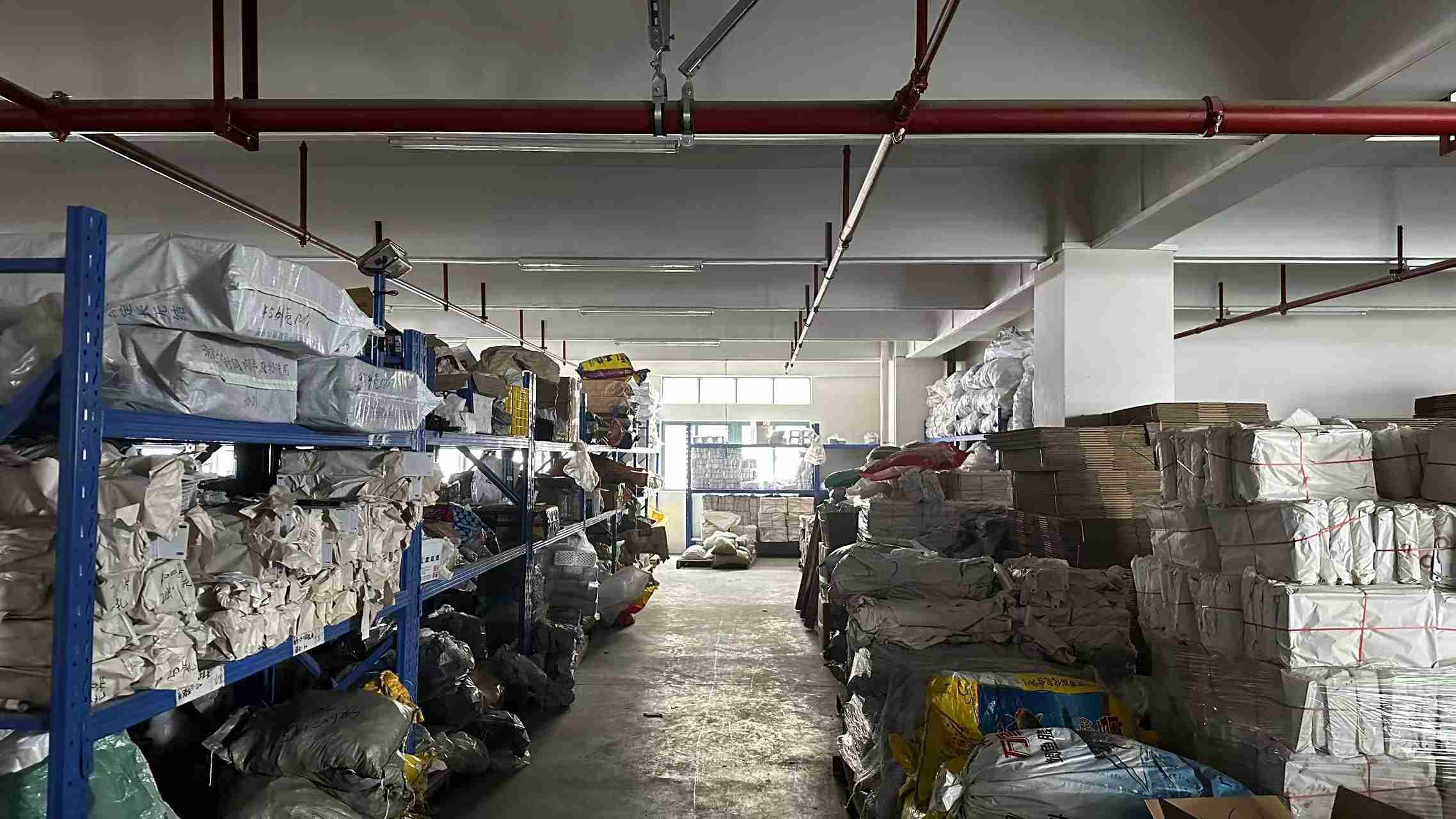
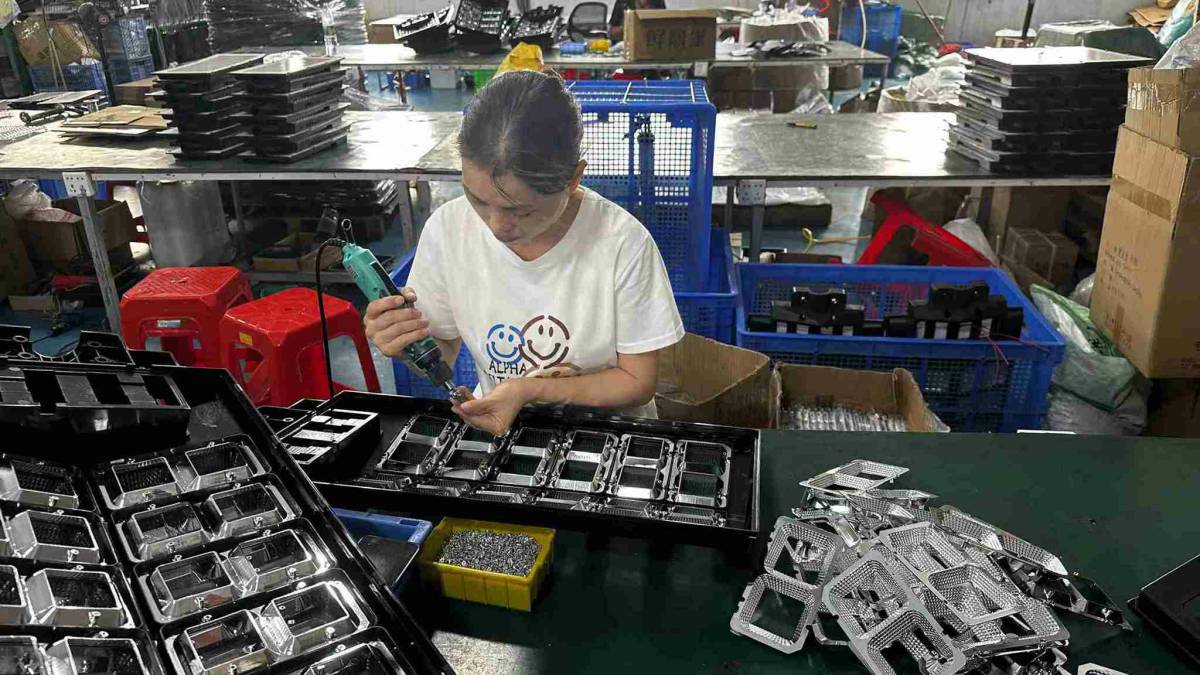
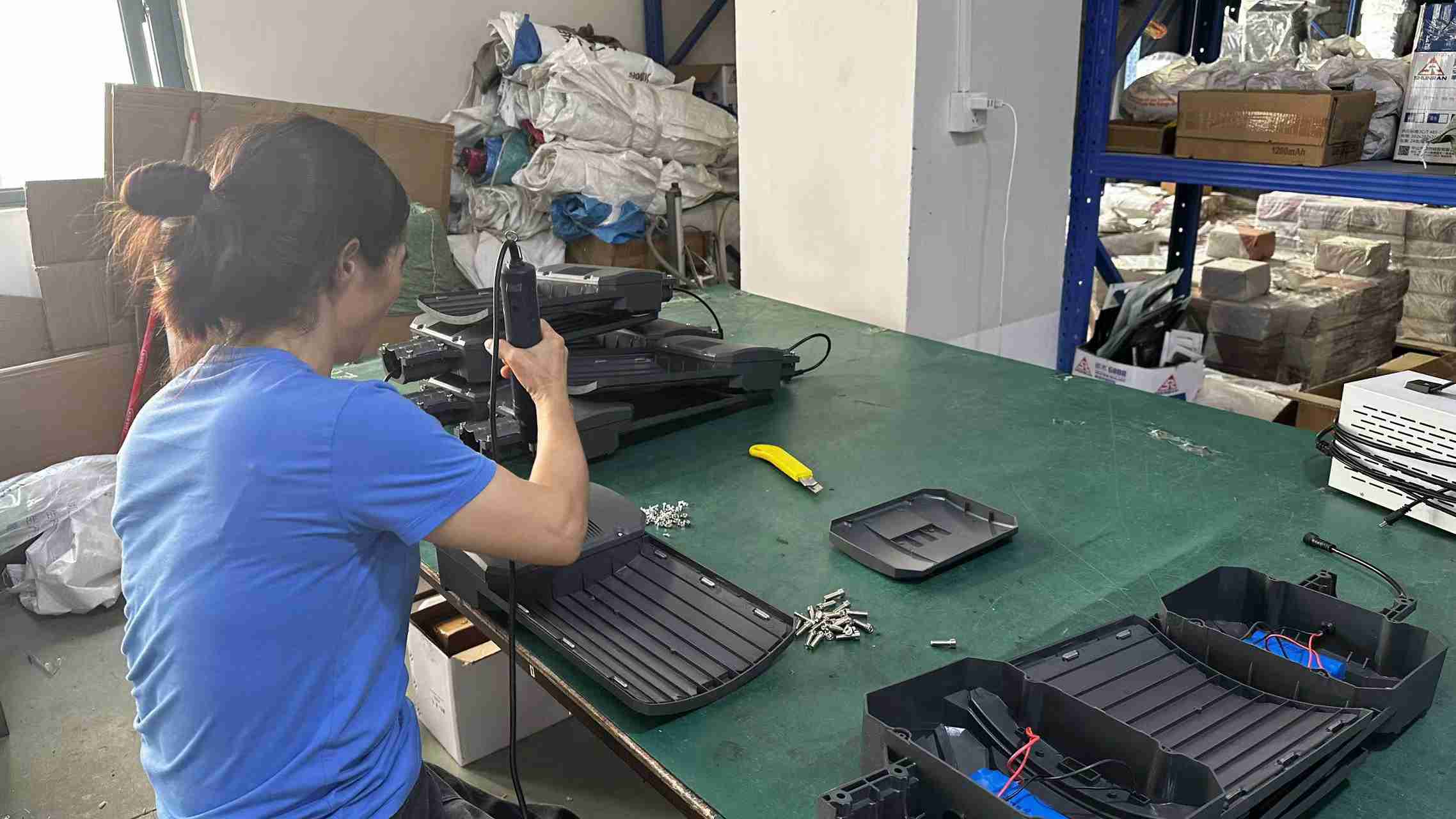
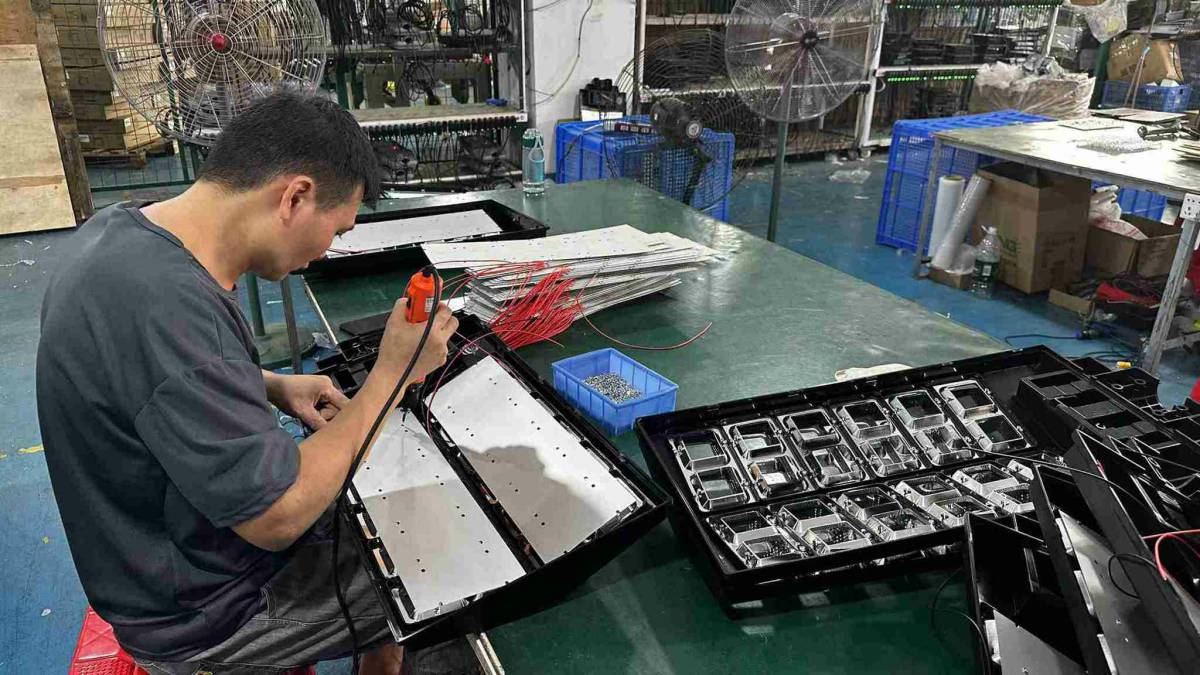
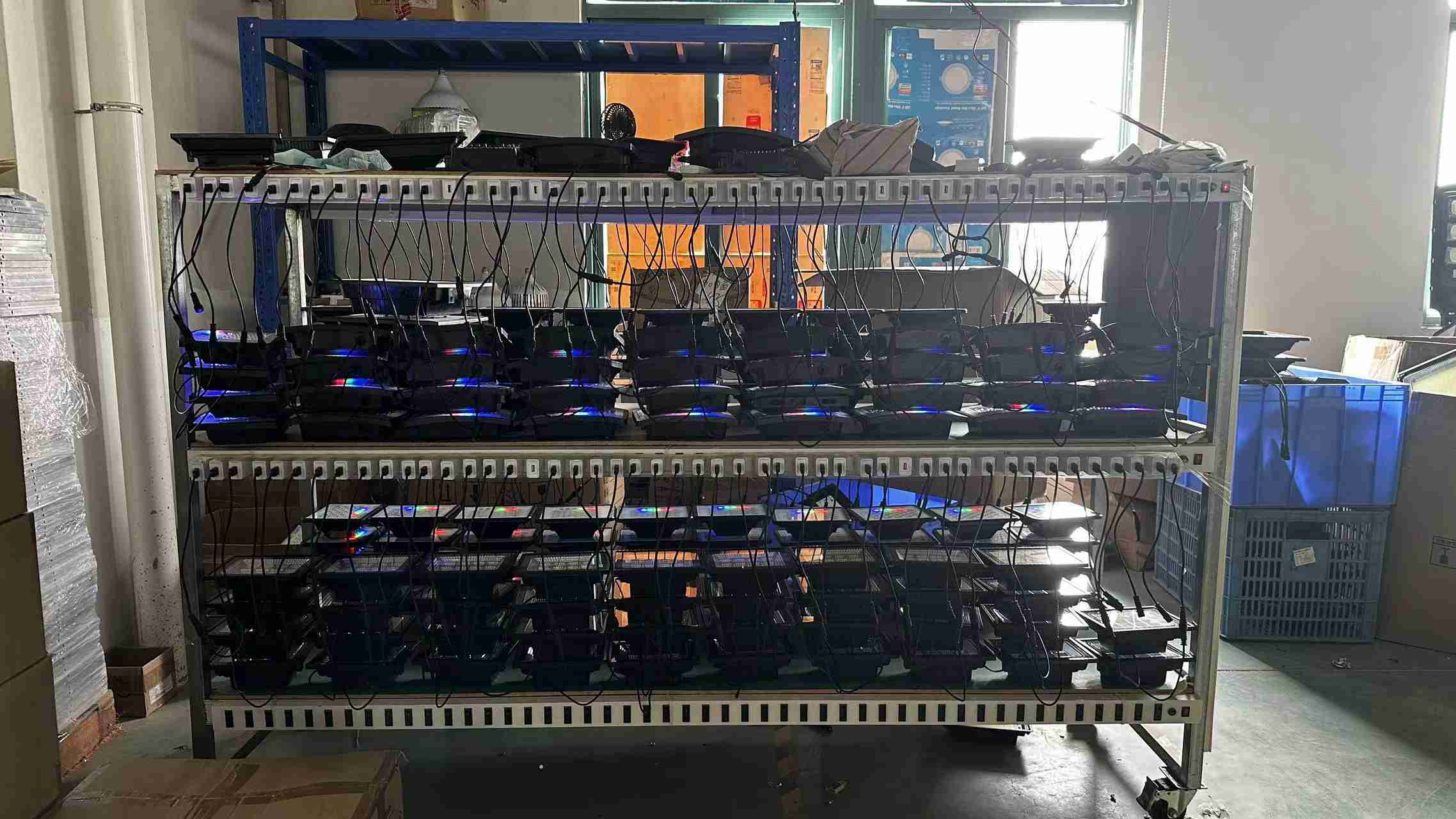
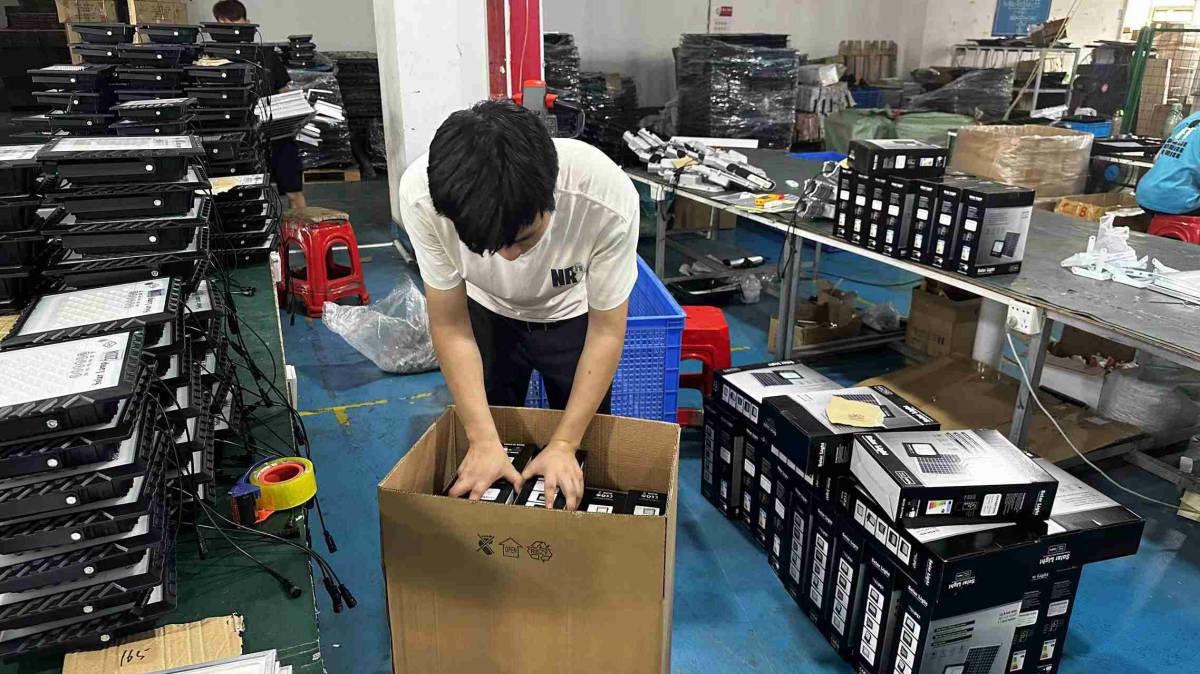
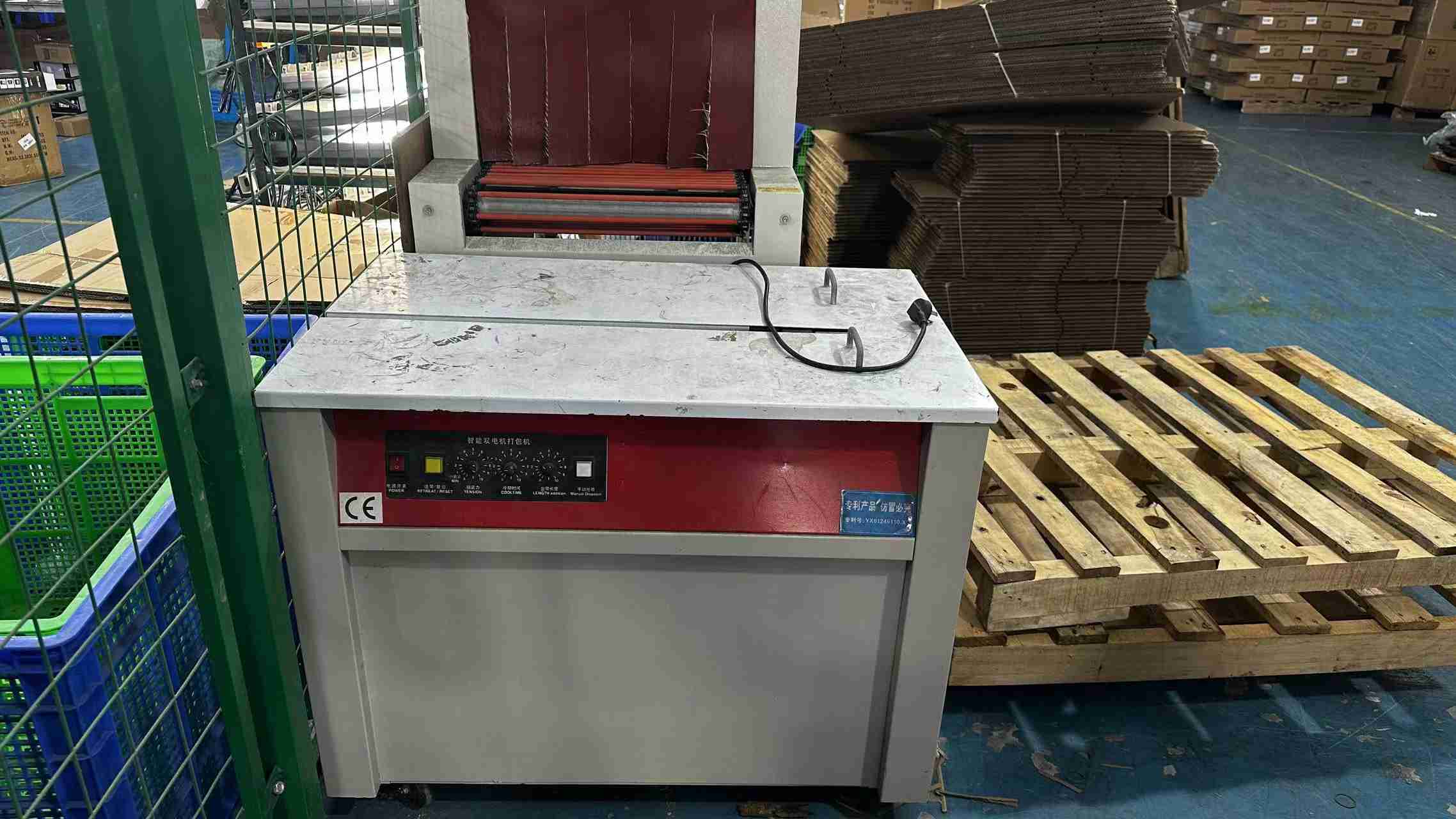
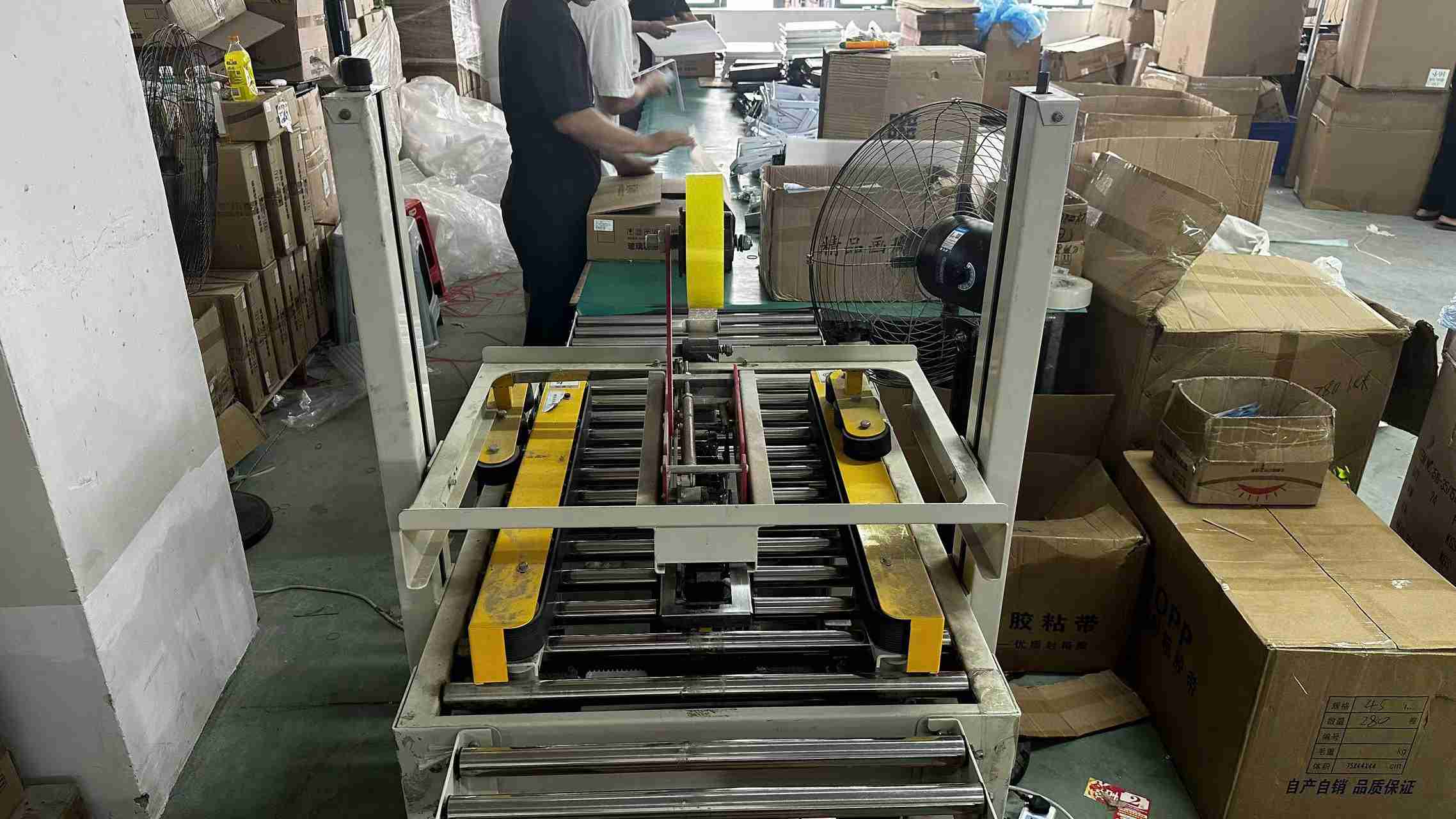
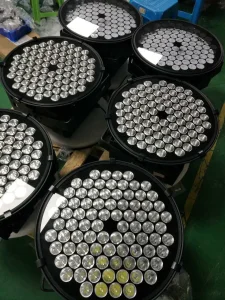
Strict QC, advanced soldering, and comprehensive battery testing protocols at Ningbo Cappy Light Co., Ltd.
Ningbo, China stands as the global epicenter for outdoor lighting manufacturing. Choosing a Ningbo-based manufacturer like Ningbo Cappy Light provides significant raw material and logisitical benefits. We draw from localized casting foundries, high-purity brass extrusion houses, and specialized PCB manufacturing networks. With the proximity of the Ningbo-Zhoushan Port—the world's busiest container gateway—we minimize internal transport cost and guarantee rapid shipping timelines for international shipments.


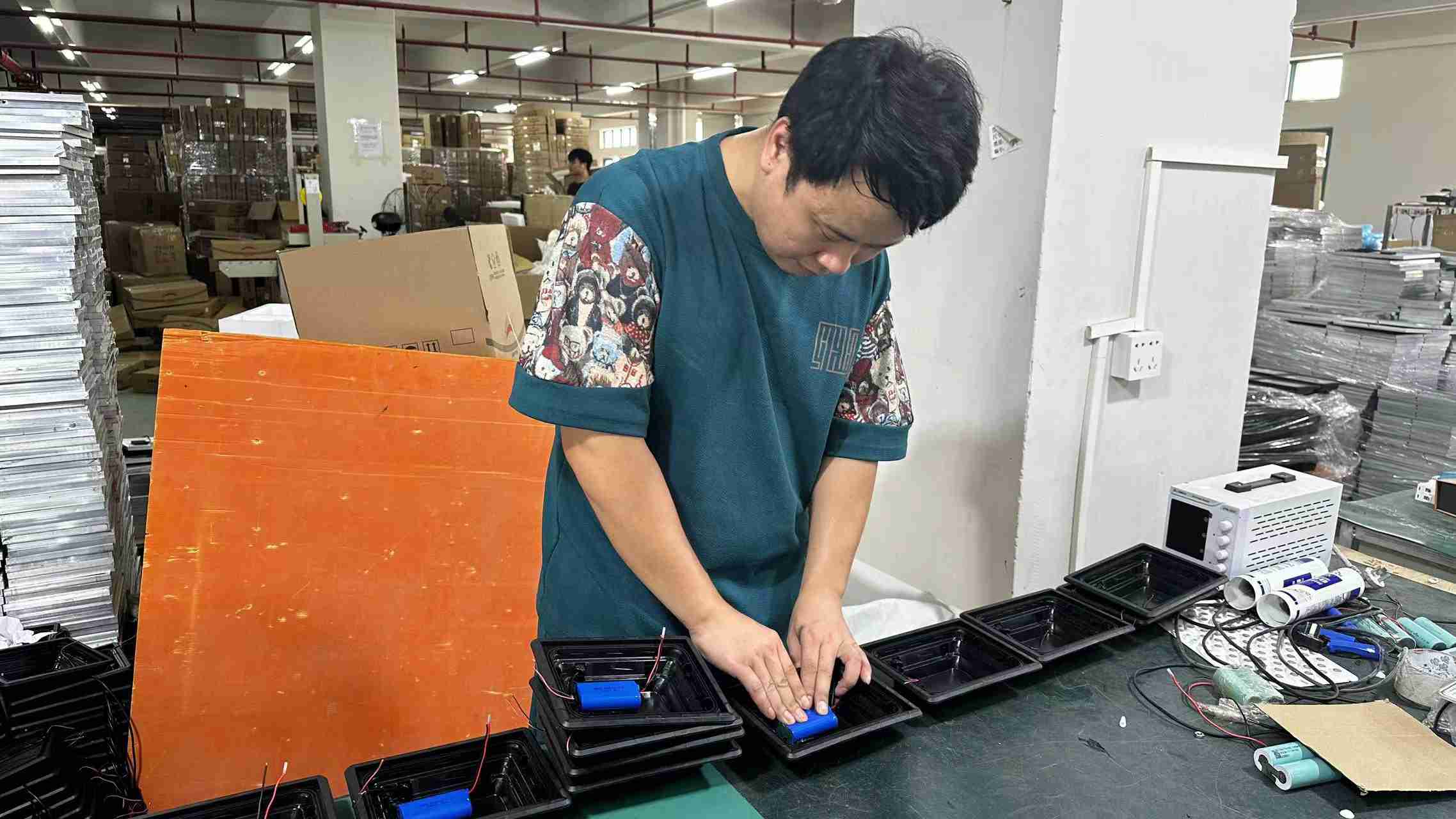
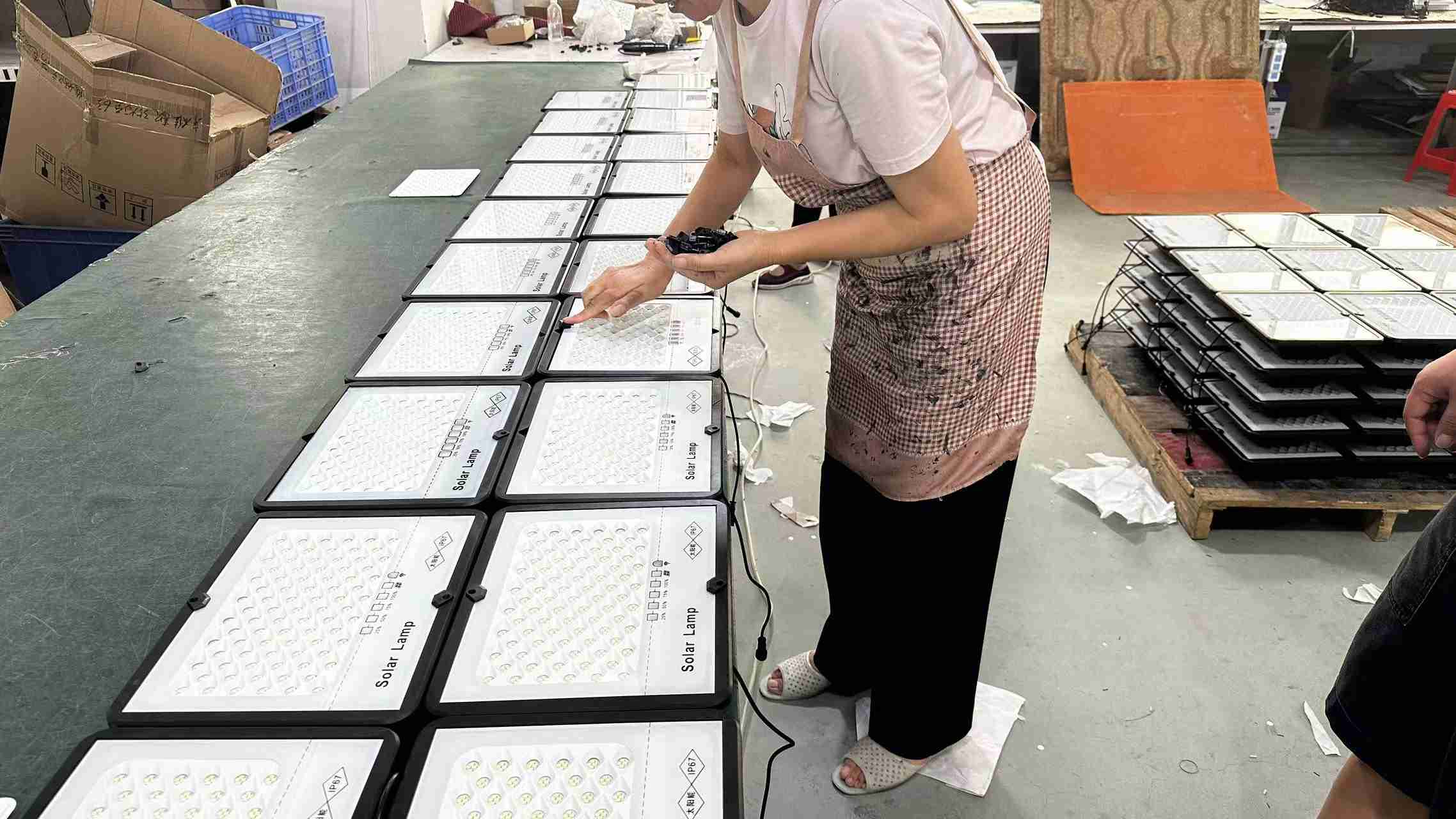
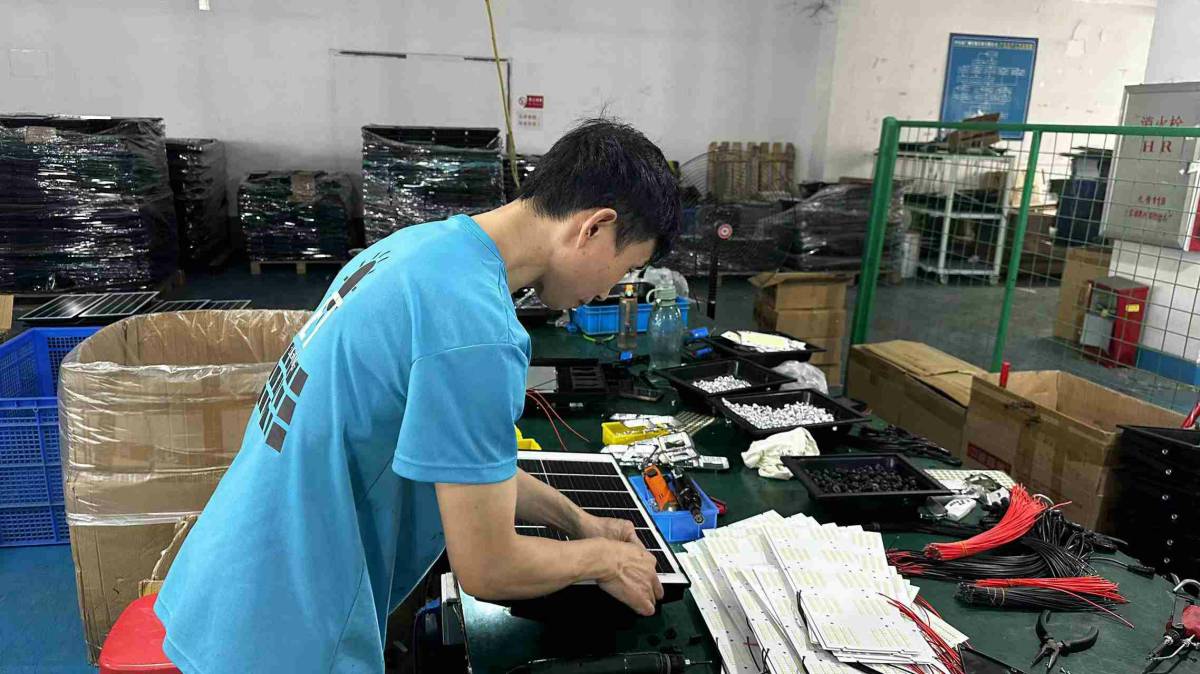
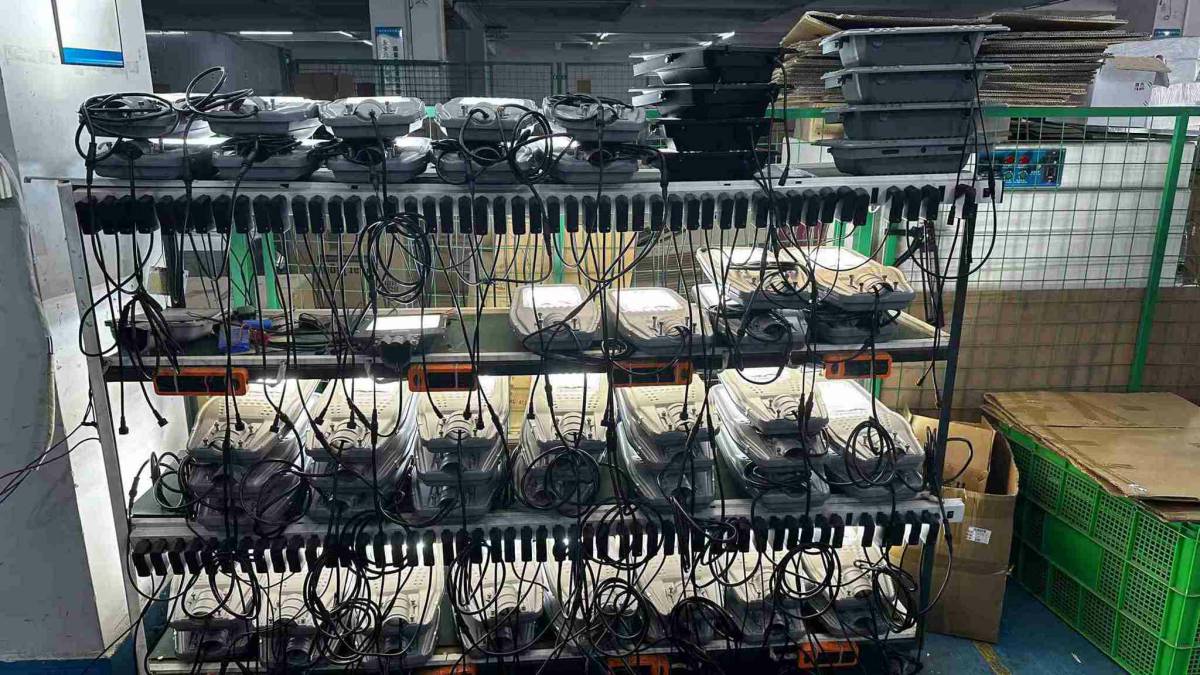

Navigating technology shifts: from simple solar panels to intelligent IoT hybrid grids.
Early-generation outdoor battery luminaires relied heavily on Lead-Acid or Ni-MH configurations, which suffered from rapid degradation in ambient temperatures above 40°C or below -10°C. Modern B2B tenders specify Lithium Iron Phosphate (LiFePO4) chemistry due to its distinct thermal stability and extended cycle life. While typical Li-ion configurations offer roughly 500 charge-discharge cycles, LiFePO4 cells yield exceeding 2,500 cycles at 80% depth of discharge (DoD). This translates directly into lower maintenance costs and an extended system lifespan of up to 7-10 years.
Corporate, retail, and municipal procurement strategies now require remote status monitoring and energy tracking. Integrated protocols such as Zigbee, Bluetooth Mesh, and LoRaWAN allow facilities managers to monitor battery levels, adjust lumen output dynamically (dimming schedules), and receive alerts when individual cells malfunction. The integration of microwave motion sensors ensures systems function at low output until movement is detected, saving battery capacity for overcast weather conditions.
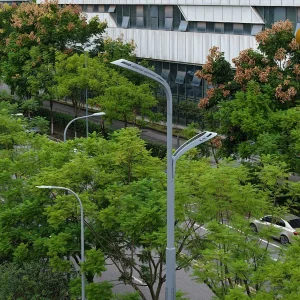
High-performance applications spanning smart urban environments, coastal developments, and remote industrial zones.
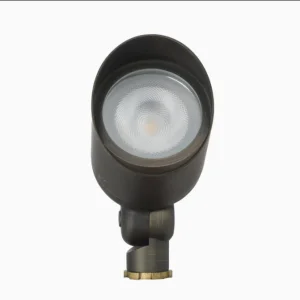
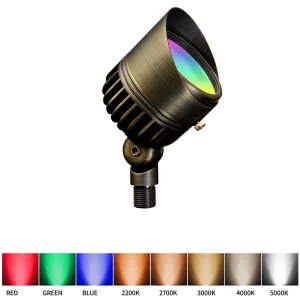
Salty air and constant humidity corrode standard aluminum fixtures within months. By utilizing heavy-gauge die-cast brass housings (as featured in our MR16 landscape spotlights) paired with high-performance marine-grade surface sealants, Cappy Light fixtures operate continuously through persistent salt spray exposure.
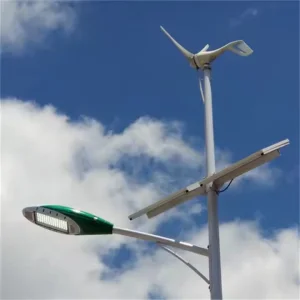
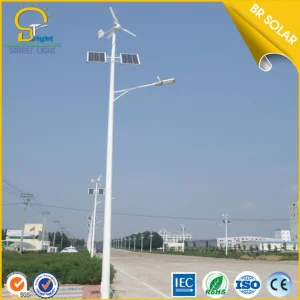
City expansions require off-grid solutions due to the high cost of trenching power lines. Our hybrid wind-solar streetlights utilize integrated sensors to generate and store power. These systems operate continuously throughout severe winter months when direct sunlight is limited.
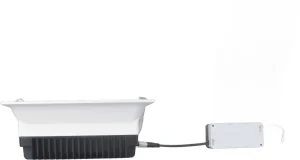
Modern luxury spaces require targeted accent lighting that does not disrupt clean ceilings. Our smart dimmable Zigbee downlights provide customizable retail lighting with precise dimming, reducing thermal dissipation and building HVAC loads.
Key information regarding battery lifespans, OEM/ODM processes, regulatory compliance, and factory direct shipping.
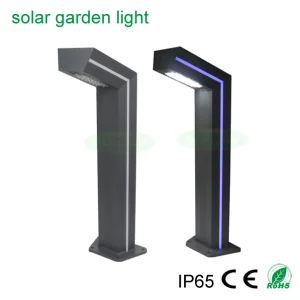
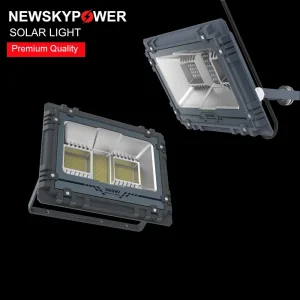
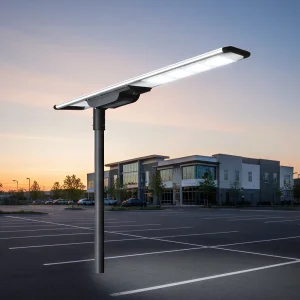
Heavy-duty floodlights, solar pathway lighting, and smart hybrid systems for global project design.
 Cappy Light