Unexpected dimming of main power lights can be alarming for homeowners. This situation often raises questions about electrical systems and safety. According to Dr. Susan Avery, an electrical engineer with over 15 years of experience, "Dimming lights can indicate underlying issues that should not be ignored." Understanding what causes main power lights to dim unexpectedly requires knowledge of various factors.
Power surges, faulty wiring, and overloaded circuits can all contribute to this problem. When heavy appliances start or malfunction, they can draw excessive current. This can cause lights to flicker or dim. In older homes, wiring may deteriorate over time, creating resistance. It’s crucial to recognize these signs as they may indicate larger issues that could lead to hazardous situations.
Homeowners often overlook these signals. Many think it’s a minor inconvenience. However, ignoring the problem can lead to costly repairs. Regular maintenance can prevent unexpected power issues. It's essential to consult an expert when experiencing unusual dimming. They can diagnose the causes and provide solutions to ensure safety and reliability. Understanding what causes main power lights to dim unexpectedly is vital for every homeowner.
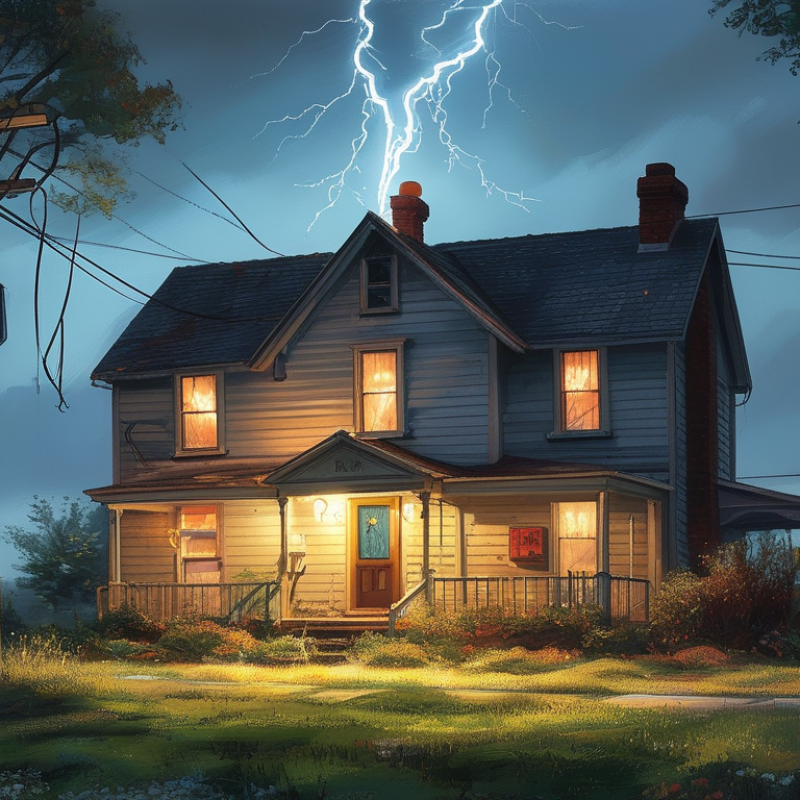
Understanding Electrical Load and Its Impact on Lighting
Understanding electrical load is crucial for identifying why main power lights might dim unexpectedly. Electrical load refers to the total power demand from all devices connected to a circuit. When the load increases, the available power can become insufficient, leading to dimming lights. Common causes include simultaneous use of high-wattage appliances, which can strain the household electrical system.
In residential settings, different devices draw varying amounts of power. For example, air conditioners and refrigerators can use a significant portion of electricity. When they start, they may cause a momentary drop in voltage, resulting in dimming lights. Additionally, old wiring or connections can exacerbate this issue. Many homes still rely on outdated electrical systems that struggle to handle modern power demands.
Being aware of electrical load can help prevent unexpected dimming lights. Homeowners should regularly check the amperage capacity of their circuits. If problems persist, consulting a qualified electrician can provide insights into potential upgrades. This ensures a safe and efficient electrical system. In some cases, slight adjustments in usage can make a noticeable difference in lighting stability. Understanding your electrical load is foundational for a well-functioning home.
Common Causes of Voltage Fluctuations in Residential Power Systems
Unexpected dimming of main power lights can be frustrating for homeowners. Various factors contribute to voltage fluctuations in residential power systems. Understanding these causes can help mitigate issues.
One common cause is overloaded circuits. When multiple devices draw power simultaneously, the demand can exceed the circuit’s capacity. According to the National Fire Protection Association, overloaded circuits are responsible for around 21% of residential electrical fires. This statistic highlights the importance of managing energy loads effectively.
Another factor is voltage drop caused by long wiring runs. If your home has a long distance from the transformer to the electrical panel, resistance in the wires can lead to significant voltage drops. The International Electrotechnical Commission reports that voltage drops can vary, typically around 3-5% for residential systems. This can cause lights to dim, especially during high-demand periods. Additionally, fluctuations may arise from the utility provider’s grid. Intermittent loads, such as large machinery cycling on or off, can impact overall power quality.
Understanding these issues is vital. For instance, dim lights can indicate potential problems that require further investigation. Regular inspections and proper load management can enhance home safety and efficiency.
Analyzing Inrush Current and Its Effect on Light Brightness
Inrush current refers to the surge of electrical current when appliances are first switched on. This current is often several times higher than the normal operating current. Such an increase can momentarily reduce the brightness of the main power lights. According to industry reports, inrush current can exceed regular levels by 6 to 10 times. This makes it a leading cause of unexpected dimming.
Several factors contribute to inrush current. Large appliances, particularly motors, create substantial surges when starting. Fluorescent lights also exhibit this behavior, as they need a strong pulse to ignite. Research indicates that inrush currents can last for a fraction of a second to several seconds, causing noticeable flickering in lighting. Understanding this phenomenon helps homeowners recognize the normal behavior of their electrical systems without immediate concern for faults.
Tips: To mitigate dimming effects, consider staggering the use of high-demand appliances. Installing voltage regulators can also smooth out fluctuations in power. Regularly checking wiring and connections can enhance performance and reliability, reducing unnecessary stress on your electrical system. Always remember that while some dimming is normal, excessive flickering could signal underlying issues that require professional evaluation.
How to Use a Multimeter to Measure Voltage Levels During Dimming
When power lights start to dim unexpectedly, it's important to identify the underlying causes. One effective method is using a multimeter to measure voltage levels during these dimming episodes. This step can provide valuable insights into electrical issues that may be affecting your home.
To begin, set your multimeter to the AC voltage setting. Carefully insert the probes into an outlet where the dimming occurs. Take note of the voltage reading. A normal reading should fall between 115 and 125 volts. If the voltage drops significantly, it might indicate an issue with the electrical supply or the wiring system. Be cautious as you perform this test, as handling electricity can be dangerous.
After testing, compare your readings over several incidents of dimming. If a pattern emerges, it could point to underlying problems such as overloaded circuits or faulty wiring. Document your findings. Reflection on consistent readings can lead to a deeper understanding of what might be happening. This exploration into the dimming of lights not only enhances your comprehension but can also empower you to consult a professional for further inspection.
Preventive Measures to Minimize Unexpected Power Light Dimming
Unexpected dimming of main power lights can be frustrating. Identifying the cause is crucial for effective prevention. Several factors contribute to this issue, including overloaded circuits, aging wiring, or faulty fixtures. When lights flicker or dim unexpectedly, it often indicates underlying problems that require attention.
To minimize these occurrences, consider redistributing electrical loads. Avoid overloading circuits by spreading appliances across different outlets. Regular inspections of wiring can also reveal wear and tear. Replacing old or damaged fixtures can significantly enhance lighting stability. It is also wise to ensure that connections are secure. Loose wires can cause intermittent dimming and other hazards.
Investing in surge protectors can add another layer of safety. It’s essential to stay vigilant about these issues. Ignoring them might lead to more severe electrical failures. However, not all solutions are straightforward. Each home has unique requirements that may require personalized attention and adjustments. You may find that a method that works for one situation may not apply in another. Finding the right balance is key.
Conclusion
This article explores what causes main power lights to dim unexpectedly by examining the intricacies of electrical load and its effects on lighting. It delves into common issues such as voltage fluctuations within residential power systems and the impact of inrush current, which can result in momentary brightness changes. By understanding these factors, homeowners can better diagnose the root causes of dimming lights.
Furthermore, the article provides practical guidance on using a multimeter to measure voltage levels during instances of dimming, enabling users to identify fluctuations effectively. Finally, it offers preventive measures to minimize the occurrence of unexpected light dimming, helping to ensure a stable and reliable lighting experience in the home.

 Cappy Light